
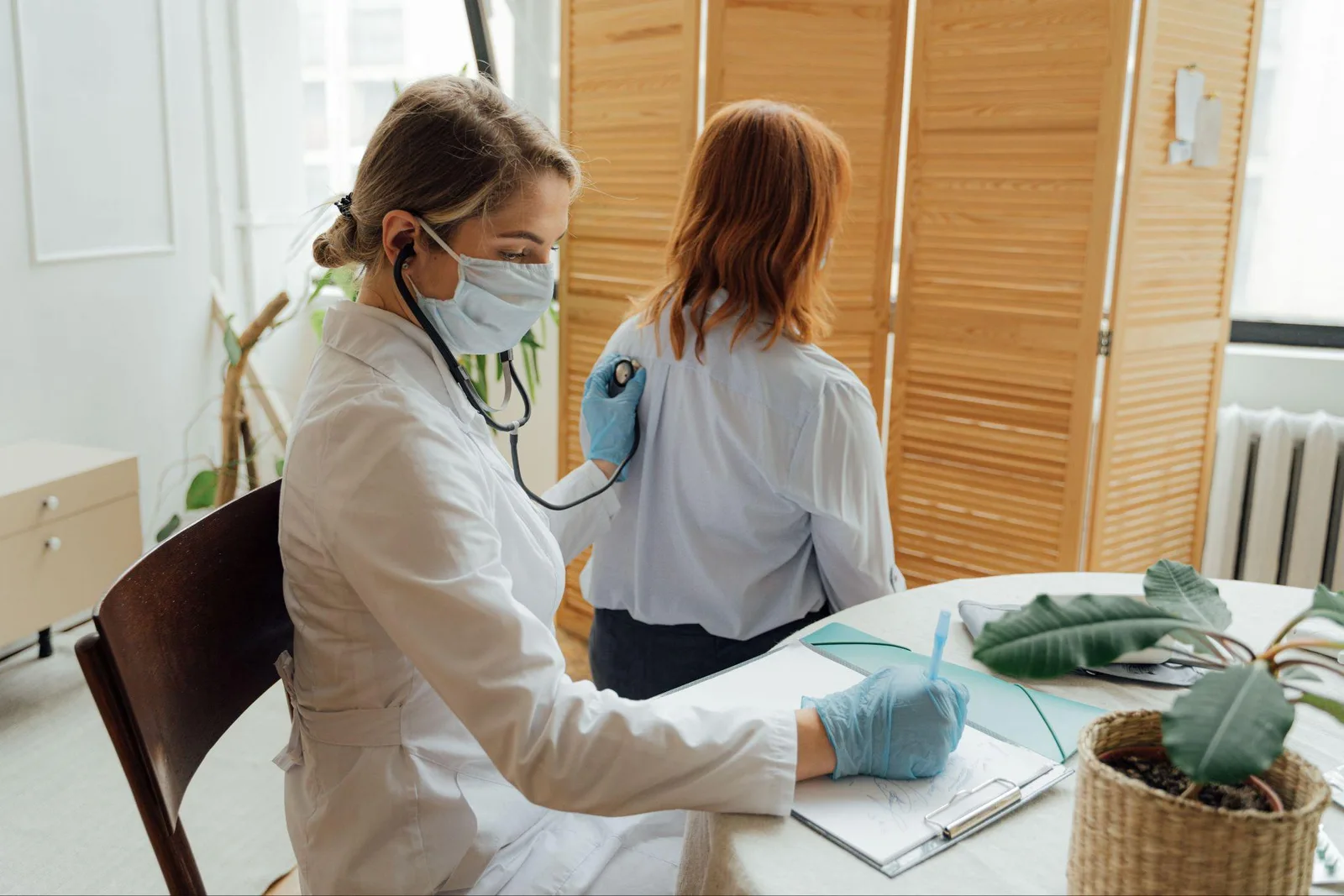
Real Medical Care Belongs at Home, Not Just Convenient House Calls
The Growing Confusion Around At-Home Healthcare
Over the past week, discussions across health and wellness circles have highlighted a fascinating shift in how people view their living rooms. More than ever, consumers are embracing services that come directly to their front door. We can order groceries with a tap, schedule mobile beauty treatments, or have wellness professionals visit our living rooms to administer IV vitamin drips after a long week.
While this movement toward home convenience is generally positive, it has created a subtle but significant misunderstanding. Many people have started to lump all at home health services into the same category. They see a mobile hydration van or a routine concierge visit and assume that is what home-based medicine looks like.
However, there is a world of difference between cosmetic house calls designed for general wellness and true, high acuity acute medical care delivered in the living room. Understanding this distinction is essential if we want to build a healthcare system that truly protects patients when serious illness strikes.
Moving Beyond Comfort and Convenience Services
Cosmetic wellness services and routine house calls serve a very specific purpose. They focus on convenience, minor comfort, and preventative self care for people who are generally healthy. If someone wants a vitamin boost or a basic checkup without leaving their couch, these services fulfill that desire nicely.
True home acute care operates in an entirely different realm. It is not about offering a luxury perk for minor fatigue. It is about taking the complex, intensive medical interventions that usually happen in an emergency room bay or a hospital ward and bringing them safely into the home environment.
When an elderly family member experiences a sudden, severe flare up of heart failure, an acute kidney infection, or profound dehydration from a severe gastrointestinal parasite, they do not need a simple wellness visit. They need hospital-grade treatment. They require rapid point of care blood testing, immediate intravenous medication protocols, continuous cardiac monitoring, and direct oversight by experienced medical providers.
The Operational Reality of Acute Home Medicine
Delivering genuine hospital-level care inside a residence requires a sophisticated clinical and logistical backbone. It is far more complex than having a single clinician carry a bag of basic supplies from house to house.
Lon Hecht, the CEO of Care2U, has frequently highlighted this exact difference when discussing the evolution of modern medicine. In his view, real at-home acute care is not a casual scheduling service. It is a high stakes medical operation that relies on advanced routing technology, real-time diagnostic equipment, and tight clinical integration. Care2U has built its framework around bringing true emergency room level capabilities directly to patients who would otherwise face grueling hours in crowded hospital waiting rooms.
When a patient is acutely ill, every step of the process must mirror the rigor of a traditional hospital setting:
- Real Time Laboratory Diagnostics: Instead of taking blood samples and waiting days for a commercial lab, acute care teams carry handheld analyzers that provide cardiac markers, electrolyte levels, and kidney function results in minutes at the bedside.
- Hospital Grade Therapies: Mobile clinicians administer prescription IV antibiotics, prescription antiemetics, and high-volume fluid resuscitation while constantly monitoring real-time vital trends.
- Hybrid Clinical Oversight: Experienced field providers work hand in hand with emergency physicians who join via secure video to evaluate the patient, review diagnostic data, and manage the treatment plan together.
This level of care goes far beyond cosmetic wellness. It provides a true, safe alternative to a hospital admission for patients facing serious health events.
Why the Distinction Matters for Healthcare System Resilience
Clarifying the line between casual house calls and acute home medicine is not just about terminology. It is about transforming how our entire healthcare ecosystem manages surges and patient capacity.
Emergency departments across the country are routinely overwhelmed, with sick individuals waiting six, eight, or twelve hours in crowded, noisy waiting areas. Many of those patients end up in hospital beds simply because the healthcare system did not have a safe mechanism to deliver high acuity treatment anywhere else.
If we view at home care as merely a luxury lifestyle choice, we miss its true potential. When health systems embrace full clinical hospital at home models, they unlock a critical safety valve for traditional hospitals. Patients with severe, non trauma conditions can receive rapid, dignified, and highly effective treatment on their own couches. This preserves physical hospital beds, trauma bays, and emergency personnel for severe physical injuries, major strokes, and complex surgical emergencies.
Furthermore, receiving real medical treatment at home protects vulnerable individuals from unnecessary exposure to foreign germs in crowded public waiting rooms. It allows patients to recover in a quiet, familiar environment surrounded by loved ones, which significantly reduces the stress and confusion that so often accompany a traditional hospital stay.
A Human Centered Vision for the Future of Healing
As healthcare continues to evolve, our definition of where serious medicine can happen must expand. Convenience driven wellness services have their place, but they represent only the very surface of what is possible.
The future of healthcare relies on building resilient systems that bring high quality, high acuity clinical support directly to the human being who needs it, exactly when they need it most. By establishing clear standards and recognizing the true clinical depth of hospital level care at home, we can create a safer, more efficient, and far more compassionate way to heal.