The Noise of Health Headlines vs. the Quiet Reality of Care
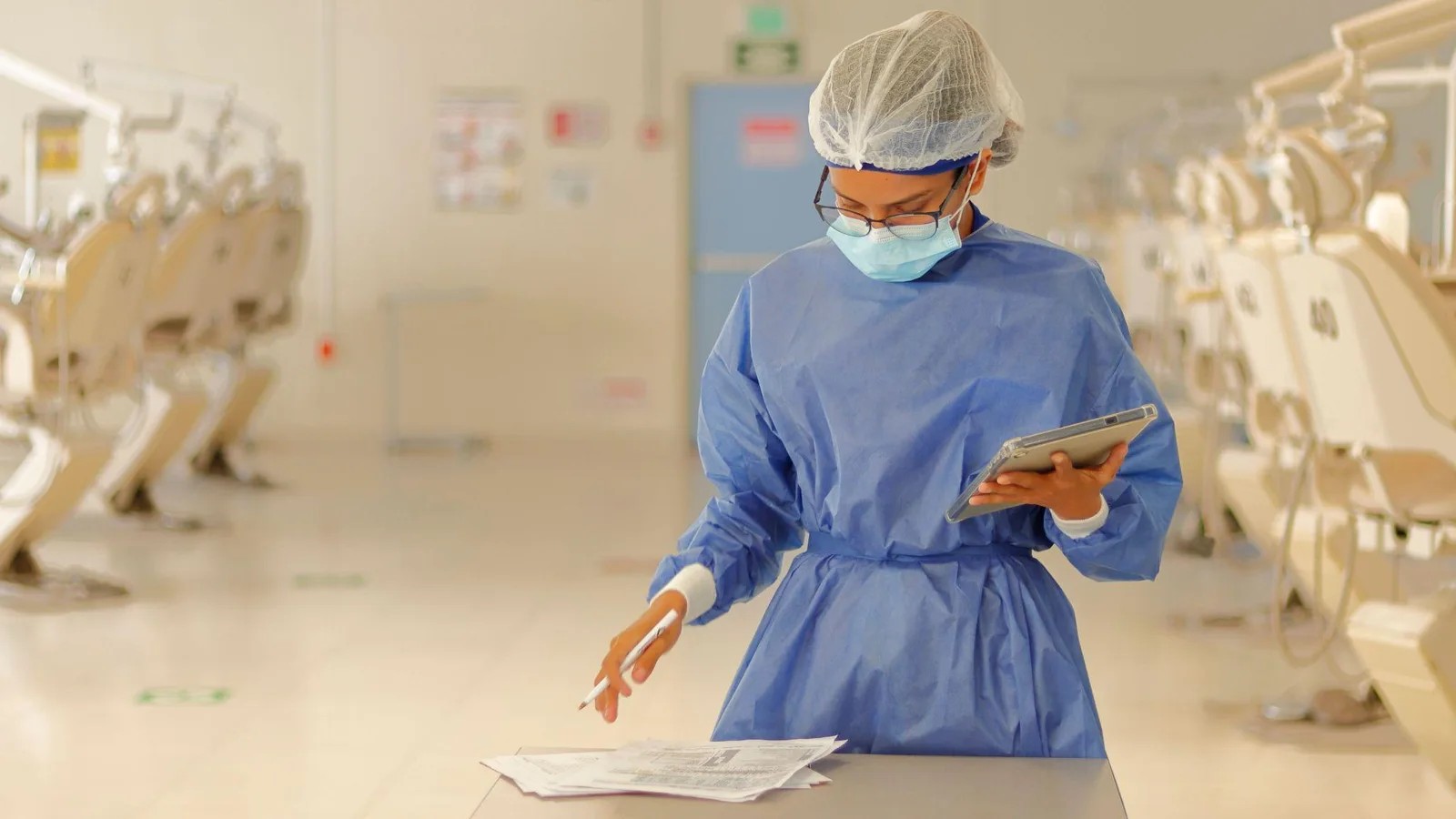
Photo: Leo Javier Díaz
If you open any news application or turn on a morning broadcast, you will likely encounter a familiar flurry of medical headlines. Industry analysts are debating the latest corporate health system mergers, tech reporters are writing about artificial intelligence taking over clinical intake, and wellness commentators are promoting the newest wave of high-tech personalized supplements.
It is easy to get caught up in the high-level buzz. The national health conversation loves to focus on massive structural deals, futuristic algorithms, and sweeping technological promises.
Yet when you step away from the industry news cycle and talk to an actual human being dealing with a sudden illness, the daily reality of healthcare looks very different.
The average person sitting at home with a high fever, severe respiratory distress, or an agonizing flare-up of a chronic condition is not thinking about health system consolidation or virtual intelligence platforms. They are asking much simpler, far more human questions: How long will I have to wait to see a doctor? Do I have to sit in a crowded waiting room for seven hours tonight? Can I get through this illness without losing my dignity or taking on overwhelming debt?
The Growing Chasm Between Innovation and Experience
Over the past few days, consumer health reports and global perception surveys have underscored a growing disconnect across modern healthcare. While the industry continues to talk about unprecedented technological advancement, everyday patient satisfaction remains stubbornly low. People feel that the system has grown increasingly impersonal, fragmented, and difficult to navigate.
The fundamental problem is that our primary care infrastructure was designed around an outdated architectural assumption. We built a system that expects sick people to do all the heavy lifting, navigating busy traffic, finding parking in crowded garages, and sitting on hard chairs in germ-dense lobbies alongside dozens of other unwell individuals.
When a healthcare system prioritizes facility throughput over human comfort, the patient experience suffers immediately:
- The Friction of Transit: Forcing a frail older adult or a shiver-plagued child to travel across town for routine diagnostics adds immense physical stress before care even begins.
- The Waiting Room Environment: Loud overhead announcements, fluorescent lighting, and long delays create an atmosphere of high anxiety rather than restful recovery.
- Rushed Clinical Encounters: Doctors and nurses working in overcrowded facilities are often forced to move so quickly that patients leave feeling like numbers on a chart rather than individuals receiving personal care.
We have spent decades attempting to optimize the efficiency of the waiting room, when the true goal should be eliminating the need for the waiting room altogether.
Moving Medical Power to the Bedside
True innovation in healthcare does not always mean building flashier hospital towers or introducing complex software platforms. Sometimes, the most radical improvement comes from simply changing where the care takes place.
Instead of expecting patients to adjust their lives to fit the rigid schedules and physical locations of large health institutions, forward-thinking medical models are turning the traditional framework upside down. They are bringing high-acuity, hospital-level medical capabilities directly into the living room.
Lon Hecht, CEO of Care2U, views this cultural shift as an essential human correction to a system that has grown far too institutionalized. In his perspective, the primary goal of modern healthcare should be stripping away unnecessary friction for the patient. Care2U has built its entire care philosophy around bringing emergency-level medical treatment straight to a person’s front door, allowing individuals to receive comprehensive care in the quiet safety of their own homes.
This model fundamentally redefines what a home visit can accomplish.
When a mobile clinical team arrives at a home, they bring the full clinical power of an emergency bay right into the living space:
- Immediate Bedside Testing: Advanced point-of-care lab analyzers allow field clinicians to process blood work, check metabolic panels, and run viral testing within minutes.
- Direct Therapeutic Treatment: Patients suffering from severe dehydration, asthma exacerbations, or serious infections can receive IV medications, prescription fluids, and targeted respiratory care on their own couch.
- Virtual Physician Expertise: A board-certified emergency physician or hospitalist joins the encounter live through secure video, evaluating diagnostic data in real time and directing the treatment plan alongside the bedside clinician.
Reclaiming the Human Element of Healing
When care shifts from a cold facility to a warm living room, the entire dynamic of medical treatment changes.
A person recovering in their own bed, wrapped in a familiar blanket with family nearby, experiences far less physiological stress than someone lying on a stretcher in a loud hallway. They sleep better, avoid exposure to secondary hospital-acquired infections, and maintain a sense of personal control over their environment.
For clinicians, the shift is equally meaningful. Rather than spending five rushed minutes in a chaotic emergency bay, field clinicians have the time and space to sit at the bedside, listen carefully to the patient, and address the root causes of their decline.
Looking Beyond the Industry Buzz
As the health news cycle continues to chase shiny new trends and corporate milestones, it is worth remembering what healthcare is ultimately for. Medicine is not an abstract market sector; it is a deeply personal service delivered by human beings to human beings at their most vulnerable moments.
The future of healthcare will not be decided by who builds the largest medical centers or who releases the most complex algorithms. It will be decided by who makes care accessible, compassionate, and easy to receive.
By taking acute medical capabilities out of institutional silos and bringing them straight to the front door, we can build a healthcare environment that spends less time making headlines and more time giving patients exactly what they need: a safe, dignified, and comfortable way to heal.