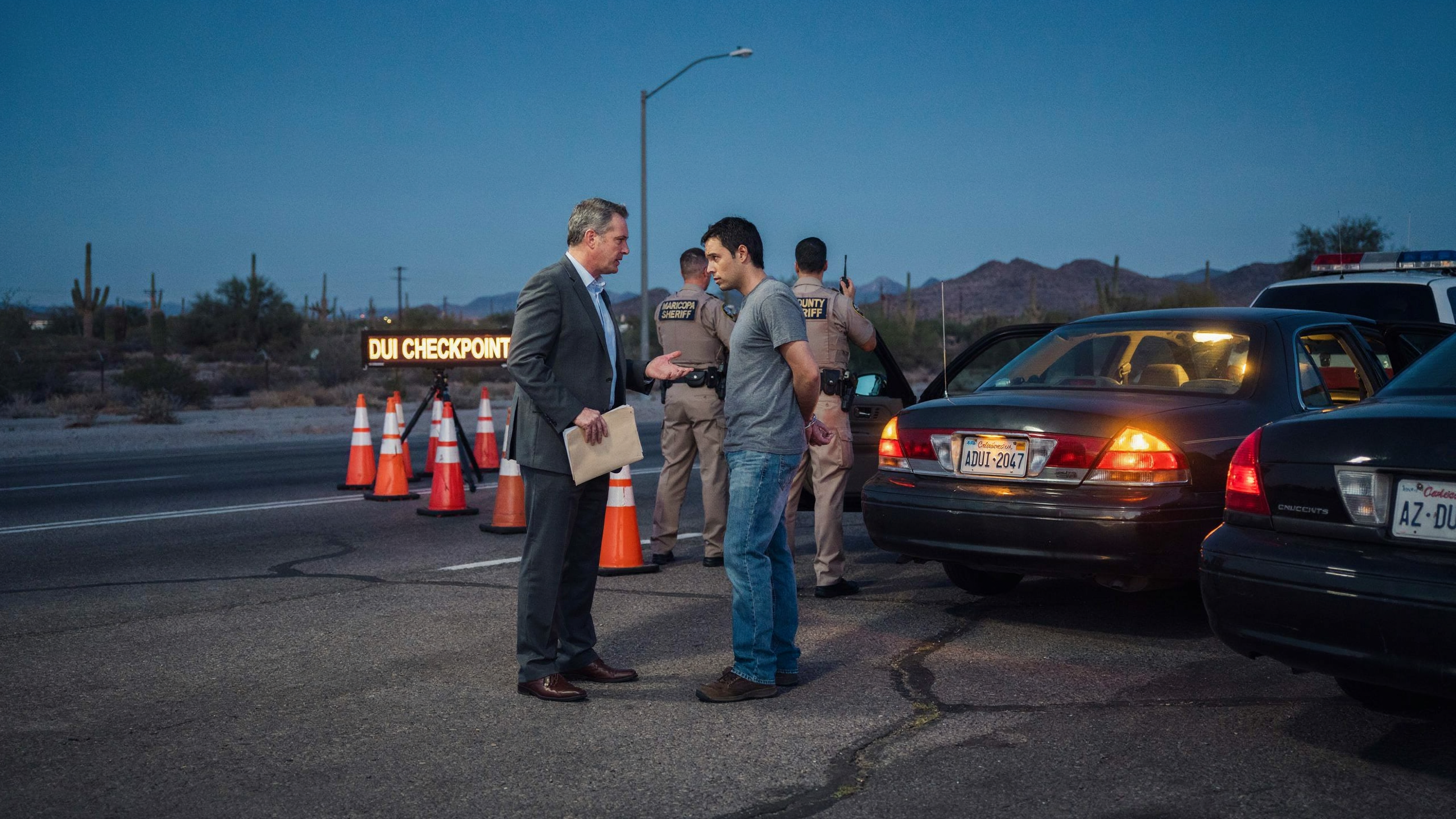
Can You Beat a DUI Charge in Arizona? Common Defense Strategies Explained
An Arizona DUI charge can be challenged, but no defense guarantees dismissal or acquittal. The State must prove that the person drove or was in actual physical control of a vehicle and establish impairment or the applicable alcohol-concentration threshold.
Potential defenses may question the traffic stop or arrest, field sobriety procedures, breath or blood testing, driver identification, or medical and environmental explanations for observed behavior. The right approach depends on the evidence, deadlines, and potential penalties.DUI Lawyer in Phoenix at Suzuki Law Offices can help explain the issues to consider.
Main Takeaways
- Beating an Arizona DUI charge may be possible if the State cannot prove beyond a reasonable doubt that you drove or were in actual physical control.
- Challenge driver identification, witness reliability, and conflicting accounts using available video, vehicle evidence, or location data.
- Examine whether the stop, checkpoint, arrest, and field sobriety testing complied with legal and procedural requirements.
- Present documented medical conditions, medication effects, fatigue, stress, or environmental conditions that may explain signs officers attributed to impairment.
- Scrutinize breath or blood testing for procedural errors, unreliable equipment, operator qualifications, sample handling, or chain-of-custody problems.
Can You Beat an Arizona DUI Charge?
Yes, an Arizona DUI charge can be challenged, but success depends on the evidence and the specific facts of the case. A charge is not a final judgment, and a careful defense can identify weaknesses, preserve important records, and protect the accused person’s ability to serve family, work, and community. The right approach depends on the circumstances, so early legal guidance can help prevent avoidable mistakes.
The DUI charge timeline may involve separate criminal and administrative proceedings, each with deadlines and consequences. Missing a required response can limit available choices, even when a defense remains possible. Counsel can review the case history, explain what to expect, and help the accused make informed decisions rather than react under pressure.
Arizona court options may include contesting the charge, negotiating a resolution, or pursuing another lawful outcome suited to the facts. No strategy guarantees success. A focused assessment of the record and the person’s priorities can clarify risks, identify practical next steps, and support a fair process.
What Must Arizona Prove in a DUI Case?
To secure a DUI conviction, Arizona must prove the accused was driving or in actual physical control of a vehicle. The state must also establish impairment or an alcohol concentration that meets the statutory threshold. Each required element must be proven beyond a reasonable doubt, leaving any unsupported element open to challenge.
Driving or Actual Physical Control
In Arizona, a DUI charge does not always require proof that the accused was driving; the state may also rely on evidence that the person was in actual physical control of a vehicle while impaired. The distinction matters: actual physical control is assessed from the circumstances, not vehicle ownership alone. A defense may examine whether the person could direct or set the vehicle in motion and whether the surrounding facts support the state’s account.
Relevant circumstances may include:
- Where the person was found in relation to the vehicle
- Whether the engine was running or the keys were accessible
- Passenger testimony about who drove or intended to drive
No single fact necessarily decides the issue. Careful review of the scene, witness accounts, and timeline can expose gaps in proof and help protect the accused’s rights while supporting a fair outcome.
Impairment or Alcohol Concentration
Arizona DUI cases generally turn on whether the state can prove impairment or a prohibited alcohol concentration under the applicable law. Arizona recognizes impairment-based and per se theories; the applicable charge determines what evidence matters. A careful defense examines testing, timing, and whether observations support the alleged theory.
| Issue | Defense focus |
|---|---|
| Impairment | Driving-related observations |
| Alcohol concentration | Statutory threshold and test |
| Testing | Device operation and procedures |
| Alcohol absorption timing | Drinking and testing chronology |
| Rising blood alcohol content | Whether concentration increased after driving |
A test taken later may not establish the driver’s concentration while operating the vehicle, particularly where absorption continued. That possibility does not automatically defeat a charge, but it can shape expert analysis and challenge the state’s interpretation. Counsel can assess records, collection methods, and alternative explanations, helping protect clients while ensuring the evidence is evaluated fairly and accurately.
Proof Beyond Reasonable Doubt
Although a DUI charge may rest on impairment, a prohibited alcohol concentration, or both, the state must prove every element of the charged offense beyond a reasonable doubt. The required proof depends on the specific charge, and a defense should test whether the evidence reliably establishes each element.
- For an impairment-based charge, the state must show that alcohol or drugs impaired the driver to the degree specified by law.
- For a concentration-based charge, it must prove the relevant alcohol concentration and that the driver was in actual physical control of a vehicle.
- Evidence must be assessed for reliability, including testing procedures, observations, and witness credibility.
Jury instructions define the legal questions jurors must decide. A focused defense can identify gaps or inconsistencies without shifting the burden to the accused. Careful scrutiny protects fair outcomes and supports the community’s interest in accountable, evidence-based justice.
What Penalties Can an Arizona DUI Bring?
The consequences of an Arizona DUI can reach far beyond a fine, affecting a person’s license, freedom, finances, and future record. Penalties depend on factors such as the alleged alcohol concentration, prior convictions, and whether anyone was injured. A first standard DUI may bring jail time, fines and assessments, alcohol screening, and required education or treatment. License suspension can follow, while an ignition interlock device may be required after driving privileges are restored.
Aggravated DUI charges carry substantially harsher consequences, including lengthy prison terms, particularly when a driver has repeated convictions, drives with a suspended license, or transports a child. Even a misdemeanor conviction can increase insurance costs, limit employment opportunities, and create barriers to professional licensing or volunteer roles. These effects may matter especially to people whose work serves vulnerable communities.
Understanding the potential penalties helps a person weigh the stakes and make informed decisions. Because sentencing can turn on charge classification and case-specific facts, experienced legal guidance can clarify exposure and identify options for protecting future opportunities.
Was the Traffic Stop and Arrest Legal?
Was the traffic stop supported by reasonable suspicion, and did officers have legal grounds to make the arrest? In Arizona, a stop generally requires specific, articulable facts suggesting a traffic violation or criminal activity. An arrest must also rest on legally sufficient grounds, not assumption or pressure to secure a conviction. Careful review can protect due process while helping safeguard public safety.
A defense may examine whether:
- The officer identified a valid reason for the initial stop and stayed within its lawful scope.
- The arrest followed adequate legal grounds, with reports and records consistent with what occurred.
- Checkpoint legality was established, including compliance with applicable rules governing the checkpoint’s purpose and operation.
Officer misconduct, inaccurate documentation, or an unlawful extension of a stop may undermine the prosecution’s case. If a court finds constitutional violations, it may exclude evidence obtained as a result, potentially weakening the charge. A defense attorney can compare the officer’s account with available records and challenge unsupported actions. This review focuses on legality, not on field-test performance.
Can You Challenge Arizona DUI Field Tests?
Can Arizona DUI field-test results be challenged? Yes. Standardized field sobriety tests are not infallible, and their results may be disputed when administration or interpretation was unreliable. A focused review can help distinguish genuine impairment from performance affected by unrelated circumstances.
Officer training matters because the officer must understand and follow prescribed procedures, give clear instructions, and accurately observe and score each exercise. Errors in timing, demonstrations, or evaluation may weaken the conclusions drawn from a driver’s performance. Video footage, reports, and testimony can reveal inconsistencies.
Test conditions also warrant close scrutiny. Uneven pavement, poor lighting, traffic, weather, footwear, fatigue, injury, disability, or anxiety may affect balance and coordination. These factors can produce clues that appear consistent with impairment even when another explanation exists. The tests are screening tools, not definitive proof.
A defense attorney can compare the officer’s account with available evidence and identify procedural or physical limitations. A precise challenge may reduce the weight of field-test observations and support a fair assessment of the entire case.
Can You Challenge an Arizona DUI Breath Test?
An Arizona DUI breath test result is not automatically reliable. Its accuracy may depend on the device’s condition, calibration, and the circumstances of testing. A careful review of required procedures can reveal grounds to challenge the result.
Breath Test Accuracy
Although breath test results can strongly influence an Arizona DUI case, they are not automatically accurate or conclusive. A defense attorney can assess whether the reported reading reliably reflects the driver’s blood alcohol concentration at the relevant time. The analysis may consider:
- Breathalyzer device calibration and maintenance records, which can reveal whether the instrument was functioning within accepted limits.
- Mouth alcohol interference from recent drinking, reflux, or dental products, which may elevate a reading without reflecting alcohol in the bloodstream.
- Individual factors, including body temperature or medical conditions, that may affect how breath alcohol is measured.
These issues do not automatically invalidate a result, but documented evidence may support a focused challenge. Careful review helps protect the accused person’s rights while promoting a fair, evidence-based outcome. It can also guide informed decisions about the defense.
Challenging Test Procedures
Beyond the device’s accuracy, Arizona DUI breath-test results may be challenged when officers or testing personnel fail to follow required procedures. A focused review can reveal whether the state’s evidence reliably supports the charge.
| Procedure | Potential issue | Defense focus |
|---|---|---|
| Observation | Required monitoring omitted | Review reports and video |
| Equipment | Testing equipment improperly maintained | Examine service records |
| Personnel | Operator certification expired | Verify credentials |
Arizona rules govern breath testing, including approved instruments and operator qualifications. Missing records, inconsistent timelines, or deviations from protocol may weaken the result’s evidentiary value, though they do not automatically dismiss a case. Counsel can compare maintenance logs, calibration documentation, observation periods, and certification records against applicable requirements. This careful scrutiny helps protect fair process and supports accurate outcomes for defendants, families, and communities. A procedural challenge is strongest when tied to specific evidence rather than speculation.
Can You Challenge a DUI Blood Test?
A DUI blood test is not automatically reliable or legally admissible. In Arizona, the defense may examine whether officers followed required collection procedures and whether the laboratory handled the sample properly. A focused review can reveal weaknesses that matter to a fair evaluation of the evidence.
- Blood Sample Contamination: Improper collection, storage, or testing may compromise a specimen and undermine confidence in the reported result.
- Chain of Custody Gaps: Missing records or unexplained transfers can raise questions about whether the tested sample remained identifiable and secure.
- Laboratory errors: Calibration records, analyst qualifications, testing methods, and quality-control documentation may expose procedural or measurement problems.
Arizona law also imposes requirements for blood draws, including rules governing who may perform them and how samples are obtained. If the state cannot establish reliable procedures and trustworthy results, the defense may seek to exclude the test or challenge its weight. Careful scrutiny helps protect due process and supports outcomes grounded in dependable evidence, not assumptions.
Could Something Else Explain Signs of Impairment?
Signs commonly associated with impairment may have explanations unrelated to alcohol or drugs. Medical conditions, fatigue, stress, and environmental factors can affect speech, balance, or appearance. Identifying and documenting these alternatives may help challenge the prosecution’s interpretation of the evidence.
Medical Conditions
When symptoms such as slurred speech, unsteady movement, or confusion have a medical cause, they may be mistaken for intoxication during an Arizona DUI investigation. A careful defense examines whether a health condition, rather than alcohol, explains the officer’s observations or field sobriety test results. Relevant considerations may include:
- Low blood sugar connected to diabetes management can affect speech, coordination, and awareness.
- Medication interactions may cause dizziness, drowsiness, or confusion that resembles impairment.
- Neurological conditions, injuries, or other documented illnesses may alter balance or responsiveness.
Medical explanations should be supported by reliable evidence, such as treatment records, prescriptions, witness accounts, or expert analysis. A defense attorney can compare the reported symptoms with the person’s medical history and the timing of treatment or medication. This approach helps distinguish genuine impairment from symptoms requiring care, while ensuring the investigation considers the full circumstances.
Fatigue And Stress
Fatigue and acute stress can affect coordination, attention, speech, and responses during an Arizona DUI investigation, potentially making a person appear impaired even without alcohol or drugs. Sleep deprivation may also cause slowed reactions, poor balance, or difficulty following instructions—observations an officer could interpret as intoxication. Chronic stress can further influence concentration and communication, particularly during a high-pressure encounter.
These factors do not automatically defeat a DUI charge, but they may provide context for behaviors cited as evidence of impairment. A defense review can compare the officer’s observations with available records, witness accounts, and the timing and circumstances of the stop. Careful analysis may help distinguish fatigue-related signs from alcohol or drug effects and identify weaknesses in the state’s interpretation. This approach supports a fair assessment while respecting the seriousness of Arizona DUI allegations.
Environmental Factors
Environmental conditions can create behaviors that resemble impairment during an Arizona DUI investigation. A driver’s balance, speech, or performance on field sobriety tests may be affected by circumstances unrelated to alcohol or drugs. A careful defense examines the scene and asks whether officers accounted for those influences.
- Weather conditions: Heat, wind, rain, or blowing dust can cause discomfort, watery eyes, and difficulty following instructions.
- Road hazards: Uneven pavement, gravel, sloped shoulders, or nearby traffic may undermine balance and test performance.
- Lighting and surroundings: Glare, darkness, flashing lights, or noise can affect vision, coordination, and a driver’s ability to understand commands.
Photographs, video, weather records, and witness accounts can help establish what conditions existed. By comparing that evidence with the officer’s observations, counsel can assess whether environmental factors offer a credible alternative explanation for alleged signs of impairment and support a fair review.
Can the State Prove You Were Driving?
A DUI charge in Arizona requires more than proof of impairment; the State must also establish that the accused drove or was in actual physical control of a vehicle. This element can be contested when officers arrive after a collision, find someone near a parked car, or rely on uncertain accounts of who was behind the wheel.
The evidence may include witness statements, surveillance footage, vehicle damage, location data, and the accused’s own words. Each source must be examined for gaps and inconsistencies. Witness credibility matters: lighting, distance, stress, and conflicting recollections can affect whether an identification is dependable. Vehicle identification also matters when descriptions are incomplete or multiple vehicles were present.
Actual physical control is fact-specific. Arizona courts consider the circumstances, including the vehicle’s location, whether it was operable, and whether the person could readily set it in motion. A careful review can reveal whether the State’s evidence proves driving or control beyond a reasonable doubt, protecting the accused’s rights while ensuring accountability rests on reliable proof.
How Does a Lawyer Choose Your DUI Defense?
How does a lawyer choose the right DUI defense? The decision begins with a disciplined review of the evidence, not a one-size-fits-all tactic. Counsel examines the stop, driving observations, field sobriety exercises, chemical testing, and how officers followed required procedures. Attorney client communication helps clarify the timeline, identify witnesses, and understand the client’s concerns, including effects on family, work, and community responsibilities.
The lawyer then weighs case specific priorities against the prosecution’s strongest proof. Relevant questions include:
- Was there lawful cause for the traffic stop or arrest?
- Were breath or blood tests properly administered and reliably documented?
- Do video, witness accounts, or medical factors challenge the state’s interpretation?
These answers guide whether to seek suppression of evidence, contest test results, negotiate a resolution, or prepare for trial. A sound strategy also considers potential penalties and practical consequences. By matching defenses to verified facts and the client’s goals, counsel can pursue a focused response while helping the client make informed decisions at each stage.
Frequently Asked Questions
How Long Does an Arizona DUI Case Typically Take?
An Arizona DUI case typically takes several weeks to several months, though complicated matters may last longer. The case timeline depends on evidence, hearings, negotiations, and court delays; experienced counsel can help move proceedings efficiently.
Will an Arizona DUI Stay on My Criminal Record?
Yes. An Arizona DUI conviction generally remains on a person’s criminal record permanently, though eligibility for set-aside relief may affect disclosure. Criminal record duration and background check impact depend on the offense, outcome, and applicable reporting rules.
Do I Need to Appear in Court for Every DUI Hearing?
Court appearance requirements vary by hearing and judge; DUI hearing attendance is not always mandatory. A defendant may need to appear personally for certain proceedings, while counsel can sometimes attend others; the court’s orders control.
Can I Drive After an Arizona DUI Arrest?
After an Arizona DUI arrest, driving may remain lawful until an Arizona license suspension takes effect, but deadlines matter. A restricted license may require an ignition interlock device; prompt legal guidance helps protect mobility and responsibilities.
Should I Speak With Police Before Contacting a DUI Lawyer?
A person generally should not answer investigative questions before contacting a DUI lawyer. Your right to remain silent protects against self-incrimination; requesting legal counsel promptly helps safeguard fair treatment and supports informed decisions during questioning.
—————————
An Arizona DUI charge does not automatically result in a conviction. The state must prove each required element with reliable, lawfully obtained evidence. Issues with the traffic stop, testing procedures, impairment observations, or proof of driving may provide grounds to challenge the case. Suzuki Law Offices can review the evidence, identify potential defense strategies, and explain the risks. Learn more about working with a DUI Lawyer in Phoenix. No defense guarantees success, but careful analysis can help protect your rights and options.