How to Plan and Fund Urgent Home Repairs on a Household Budget
Every homeowner eventually faces an unexpected household maintenance issue that demands attention. A sudden roof leak, a failing water heater in midwinter, or a broken sewer line can disrupt daily life without warning. In these moments, stress rises as families scramble to assess damage while wondering how to cover costs without derailing their broader budget.
Finding a calm path forward requires balancing urgent physical repairs with practical financial prudence. Rushing into high-cost contractor agreements or draining all your savings can create lingering hardships. By assessing project scope, auditing available resources, and weighing responsible funding options, you can protect your living space while keeping your budget intact.
Assessing the True Urgency of Household Maintenance
When a home system fails, your first task is determining whether the problem poses an immediate safety hazard or active property damage. Issues involving exposed wiring, gas odors, burst plumbing, or structural movement require immediate professional intervention. In these emergencies, shutting off main supply valves and calling licensed specialists take precedence over all else.
Many pressing problems can be temporarily stabilized to give you time to plan. A dripping pipe under a secondary sink can be paused by closing an isolated valve and using another basin for a few days. Similarly, a minor roof leak can often be covered with a secure tarp until weather clears and contractors provide estimates. Containing an issue without rushing gives you space to evaluate true repair costs.
Once the issue is contained, request written estimates from several licensed tradespeople. A dependable contractor will walk you through the source of failure, explain what needs replacement versus repair, and outline material choices. Clear documentation prevents unexpected project expansion and allows you to compare labor charges fairly before committing funds.
Auditing Routine Expenses to Find Immediate Leeway
Before looking outside your household for emergency funding, review your current monthly spending patterns. A temporary pause on nonessential expenses can free up meaningful cash flow to absorb part of the repair costs. Subscriptions, dining out, and discretionary purchases can often be suspended for a month or two while you redirect those funds toward household recovery.
Tracking cash flow systematically clarifies how much disposable income you can allocate toward an unplanned bill each pay cycle. When evaluating your monthly outflows to find room for sudden expenses, consulting dedicated budgeting resources like money-4me.com can provide useful perspectives on spending habits and practical money management. Understanding the distinction between fixed overhead and flexible lifestyle costs makes it simpler to reallocate funds during an unexpected repair emergency.
It is equally wise to examine whether your home insurance policy applies. While routine wear and tear is rarely covered, sudden events like storm damage or a burst pipe may qualify for claim assistance. Review your deductible and weigh whether filing a claim makes sense compared to paying out of pocket, keeping in mind that frequent small claims can sometimes affect future premiums.
Exploring Practical Financing and Reserve Options
Even with careful spending, major repairs can exceed the cash currently in a checking account. Many homeowners rely on an emergency fund built specifically for these unpredictable events. If you have an established reserve, using a portion of it for an essential structural repair is precisely what those funds are for. The key is using only what is necessary and planning to replenish the reserve once work finishes.
If savings cannot cover the full bill and immediate repair is necessary to prevent property damage, looking into structured funding options through platforms such as 55 Money can help homeowners compare loan options and arrange manageable financial terms. Choosing a transparent financing structure with predictable monthly terms prevents you from relying on high-interest credit lines that compound balances quickly. Always verify the repayment schedule and ensure the obligation fits comfortably within your monthly budget.
In addition to external lending channels, inquire whether your chosen service provider offers in-house financing or phased project agreements. Some contractors partner with consumer lenders to provide promotional terms, while others may perform core stabilization work first and return for non-critical finishes later. Breaking a large project into distinct stages allows you to pay as you go rather than absorbing a massive single charge.
Balancing Renovation Projects with Daily Life Commitments
Managing home repairs is rarely just a financial challenge; it also consumes substantial time, attention, and energy. Coordinating contractor visits, inspecting completed work, and dealing with noise or disrupted household routines can easily spill into your work schedule. If you are not intentional about maintaining boundaries, project stress can quickly bleed into your professional life and family time.
Homeowners who run small businesses or freelance gigs from home must also protect their personal schedules while overseeing repairs, much like the strategies shared in our guide on answering customer questions online without losing your evenings to maintain healthy daily boundaries. Setting dedicated hours for contractor communications and stepping away from project planning during family meals prevents maintenance from dominating your evening peace.
Clear communication with everyone living in the home keeps expectations aligned throughout the disruption. Designate specific areas of the house as clean, quiet zones where family members can relax away from construction dust and equipment. When household members understand the expected timeline and temporary adjustments, day-to-day tension decreases noticeably.
Preventative Steps to Lessen Future Financial Shocks
Once your immediate repair is resolved, shifting your focus toward ongoing maintenance is the most effective way to avoid similar financial surprises down the road. Regular checkups allow you to spot minor deterioration early before it transforms into a catastrophic failure that demands immediate funding.
Establishing a simple routine inspection schedule helps you stay ahead of typical household wear. Consider integrating these straightforward habits into your seasonal home care:
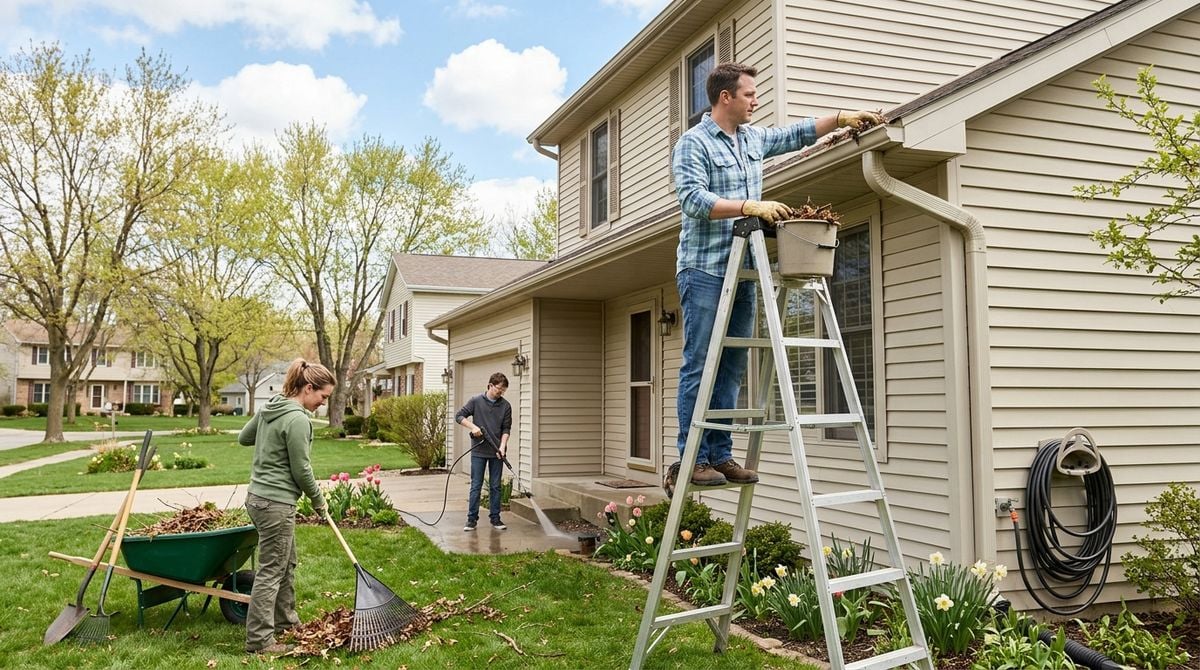
- Clean gutters and downspouts each autumn to prevent water backup along the roofline.
- Inspect exposed plumbing pipes in basements and crawlspaces before cold weather sets in.
- Test smoke alarms, carbon monoxide detectors, and water shutoff valves regularly.
- Check weatherstripping around windows and exterior doors to reduce moisture intrusion and draftiness.
Alongside physical upkeep, establish a dedicated sinking fund specifically earmarked for future property needs. Transferring a modest amount into a separate savings account every pay period creates a predictable financial buffer. When an appliance reaches the end of its lifespan or a plumbing fixture begins to drip, having dedicated reserves allows you to handle the situation with minimal stress.
Approaching home repairs with a level head, transparent budgeting, and measured financial choices keeps even unexpected emergencies manageable. By taking time to assess true urgency, using sensible funding tools when needed, and maintaining an ongoing upkeep routine, you can protect the integrity of your home while keeping your family finances steady.