A Monthly Facility and Event Prep Routine for Gaming Cafes and Community Arenas
Operating a tabletop game store, esports lounge, board game cafe, or community gaming arena brings vibrant energy alongside demanding physical facility upkeep. Between dozens of daily players handling shared game components, keyboards, headsets, and table surfaces, wear and tear accumulates rapidly if maintenance happens only when something breaks. At the same time, hosting weekly tournaments, release nights, and casual league play requires smooth scheduling and spotless presentation so guests keep returning. Establishing a structured, step by step facility and event prep routine keeps gaming venues clean, welcoming, and profitable every single week.
A repeatable operational checklist prevents last minute scrambles before big Friday night events while extending the lifespan of expensive consoles, peripherals, and tabletop collections. By dividing facility care into daily resets, pre event staging, and monthly equipment audits, managers create consistent player experiences across every shift. The sections below outline a practical, sequential routine tailored for business owners and managers running gaming spaces.
Daily Closing Reset: Sanitizing Peripherals, Tables, and Game Libraries
The foundation of a respected gaming venue is visible cleanliness across every surface players touch for hours at a time. At the close of each business night, staff should sanitize gaming mice, mechanical keyboards, arcade sticks, controller grips, and headset ear cushions using electronics safe disinfectant wipes. Wiping down tabletop playmats, wooden gaming tables, and chair armrests removes snack residue and skin oils before they stain surfaces.
Inspect borrowed board games, card decks, and miniature terrain sets as players return them to the library counter rather than shelving boxes blindly. Counting key tokens, shuffling sleeves, and resealing component bags immediately prevents frustrating missing pieces during tomorrow’s game night. Readers may also want to visit crypto 30x pro.
Empty trash and recycling bins across all gaming pods and snack counters every evening, and run a quick vacuum sweep under desks where cables and dust collect rapidly.
Forty Eight Hours Before Events: Tournament Brackets, Seating, and Network Checks
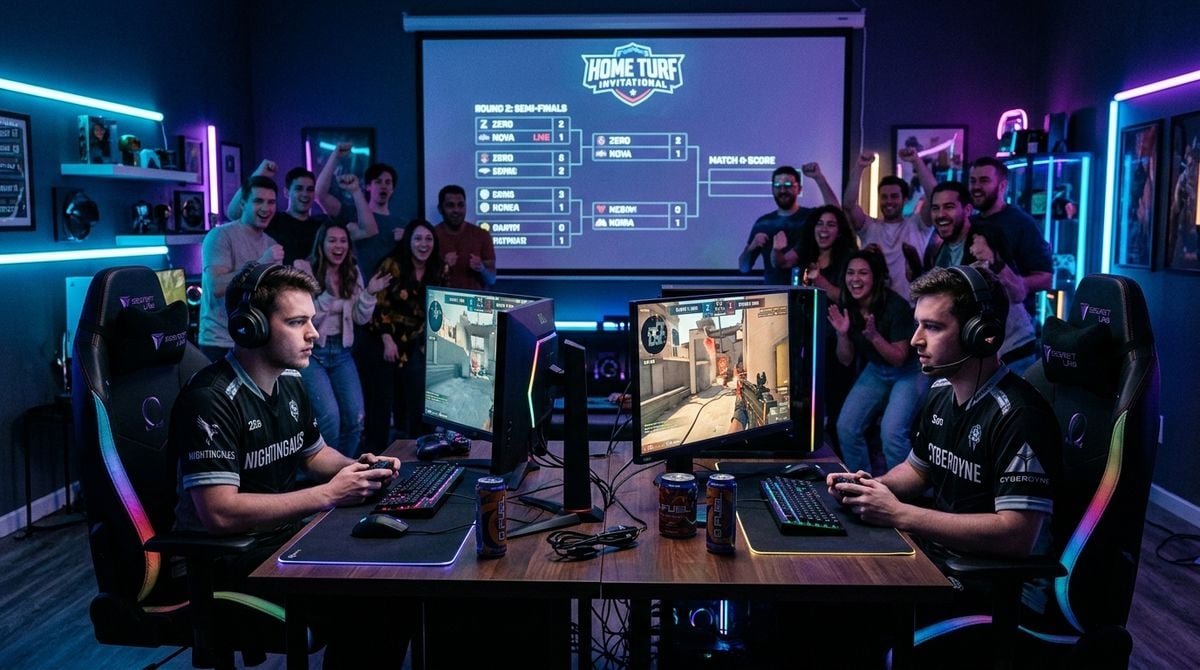
Weekly tournaments, card prereleases, and community league nights drive steady traffic when logistics run smoothly from kickoff. Two days before any scheduled event, confirm registration counts, verify tournament bracket software settings, and map out table numbers or station assignments clearly. Printing table tents and seating charts ahead of time eliminates crowding around the front counter ten minutes before round one begins.
Conduct a dedicated network and hardware stress check forty eight hours prior to major digital events. Test Ethernet port connections, check router bandwidth allocation, install pending game patches across all tournament PCs or consoles, and verify spare monitors, cables, and controllers sit tested and ready in a nearby supply closet. You can also visit loveminecraft.com for more reading.
Confirm snack bar inventory, cold beverage coolers, and paper goods are fully stocked so kitchen or counter staff never run out during peak intermission rushes.
Event Day: Pre Door Setup, Briefing, and Pacing Checkpoints
Arrive at least sixty minutes before doors open on event day to arrange seating lanes with generous walking clearance, test microphone announcements, and set comfortable ambient lighting and climate controls. Gather staff for a brief five minute huddle reviewing round timers, prize distribution procedures, and venue conduct expectations so everyone communicates consistently with players.
For a related read on this site, see Operational Mistakes School Leaders Make When Updating Curriculum.
Use this quick four point pre event readiness check thirty minutes before player check in starts:
* Verify all tournament stations display active login screens and matching game versions.
* Place clear signage for check in lines, restrooms, trash stations, and tournament pairings.
* Confirm scorekeepers and judges have clipboards, pens, spare dice, and timer displays ready.
* Test background music volume so announcements remain crisp and easy to hear across the room.
Monthly Maintenance: Deep Cleaning Hardware and Updating Game Inventory
Once a month during quiet morning hours, schedule a ninety minute deep maintenance session with key staff. Use compressed air to blow dust out of PC cooling fans and console vents, replace worn mouse skates or frayed headset cables, sleeve high wear card decks, and retire damaged game boxes. Keeping equipment in top condition demonstrates pride in your venue and justifies strong loyalty from local players.
Quarterly Community Review: Gathering Player Feedback and Refreshing Schedules
Every quarter, invite regular patrons to share quick feedback on preferred game formats, start times, and snack offerings via a short counter card or community poll. Adjusting weekly event calendars around genuine player enthusiasm keeps community nights lively and sustainable all year long.
Creating a Welcoming Hub Through Consistent Operations
Successful gaming businesses thrive when creative community energy is backed by disciplined daily habits. By sanitizing peripherals nightly, preparing tournament logistics forty eight hours early, maintaining clear event day checkpoints, and servicing hardware monthly, owners build clean, reliable venues where players love gathering week after week.