Designing a Relaxing Community Hobby Retreat for Locals
Creating a dedicated space for community hobbyists to gather, share skills, and unwind has become an increasingly popular way to foster local connections. Whether you are looking to host a weekend craft workshop, a local book club gathering, or a casual afternoon focused on shared interests, the success of your event depends largely on your ability to create an environment that encourages genuine engagement. A well-planned retreat can serve as a much-needed sanctuary from the fast-paced nature of daily life, providing a platform where neighbors can meet, collaborate, and learn from one another in an atmosphere of mutual support.
Planning the Scope of Your Event
The first step in hosting a successful community retreat is clearly defining the scope of your gathering. Instead of trying to cover too many topics at once, it is often more effective to focus on a single theme or a set of closely related hobbies. By narrowing your focus, you can tailor your planning to meet the specific needs of your audience, ensuring that every activity provided is purposeful and rewarding for those attending.
When you begin the planning process, consider the time commitment you are asking of your guests and ensure that the structure of the day is flexible enough to accommodate different comfort levels. Creating an environment where people feel free to participate at their own pace is key to building a welcoming experience. Take the time to gather input from interested community members before finalizing your plans; understanding what they hope to get out of the event can help you refine your schedule and ensure that the experience remains engaging for everyone involved.
Selecting a Comfortable Venue
The setting you choose for your community event plays a significant role in how attendees perceive and interact with the space. An ideal location should offer a sense of calm and accessibility, allowing participants to detach from their usual stresses. When selecting a site, consider factors like natural lighting, quiet areas for conversation, and the overall aesthetic quality of the room. A pleasant, thoughtfully designed environment can significantly enhance the mood of your gathering, providing a level of comfort that inspires creativity and relaxation, similar to the serene and inspiring atmosphere found at Santorini-Resort, which demonstrates how a beautiful environment can help guests feel immediately at ease.
Beyond aesthetics, ensure the venue has the practical amenities needed for your specific activities. Whether you need ample tabletop space for crafts, comfortable seating for discussions, or reliable technology for presentations, the physical layout must support your goals. It is often helpful to visit the space in person before booking to confirm that the flow of the room accommodates your intended activities and that it allows for natural, unforced interactions among participants. A good venue should feel inviting the moment people walk through the door.
Curating Activities and Atmosphere
With your venue secured, you can shift your focus to the activities that will form the core of your retreat. The goal is to provide a balance between structured sessions and unstructured social time. Consider offering a variety of opportunities that cater to different skill levels, ensuring that both beginners and more experienced enthusiasts find value in participating. A good activity plan should be inclusive, encouraging attendees to share what they know and ask questions in an open setting.
If you are incorporating digital elements into your retreat, such as interactive workshops or collaborative sessions, it is crucial that the underlying infrastructure is robust and reliable to prevent unnecessary interruptions. Having access to stable platforms such as Fiber Gaming can provide the consistency needed for high-quality digital experiences, helping maintain a smooth flow during your event. To keep your activity planning focused, consider the following elements:
- Scheduled breakout sessions for small group discussions.
- Dedicated time for independent work with occasional mentor check-ins.
- A central gathering space for casual, informal networking.
- Clear, visible signage for different activity zones.
Logistics and Community Management
The administrative side of managing a community event is just as important as the creative planning. Keeping track of RSVPs, dietary needs, and material requirements requires a diligent approach to organization. By establishing a clear, repeatable system for handling these details, you reduce the likelihood of last-minute stress and ensure that the retreat runs efficiently from start to finish. Good management also involves clearly communicating your expectations to participants, including the schedule and any materials they might need to bring.
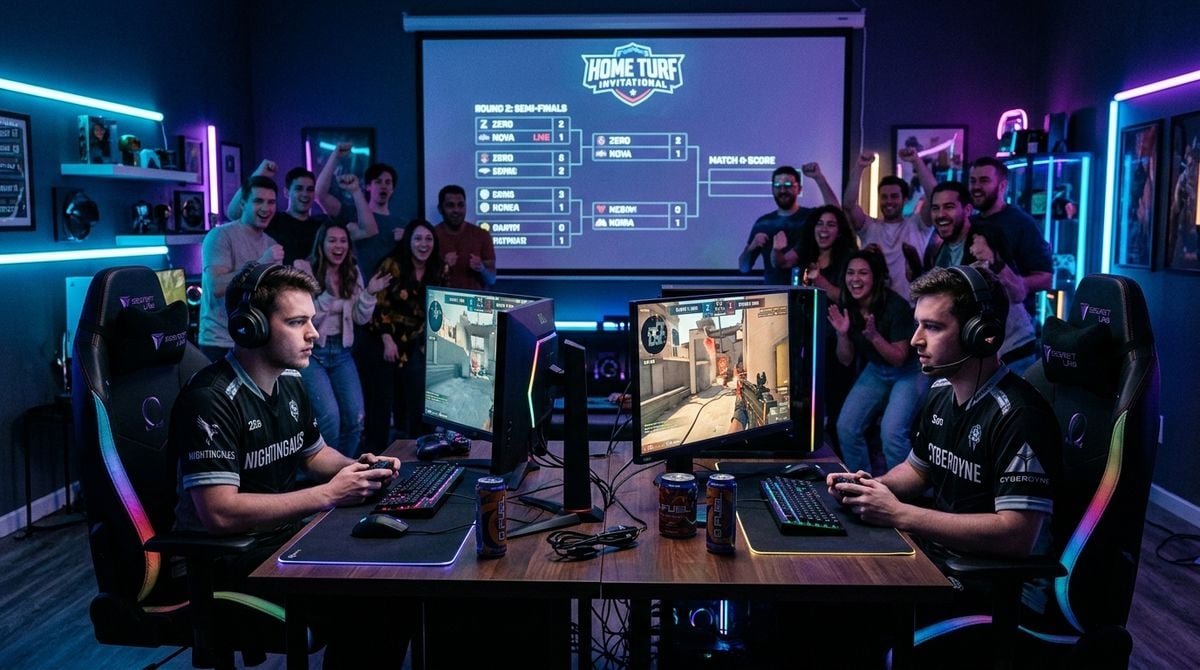
Managing the space itself is an ongoing responsibility that requires attention to detail. This includes ensuring that the venue is clean, that supplies are readily available, and that the environment remains comfortable throughout the duration of the event. A systematic approach to maintaining organized community gaming spaces can be easily adapted to any type of hobby retreat, providing you with a reliable framework for handling the inevitable logistical challenges that arise during large-scale preparations. Being prepared for common issues like equipment failure or unexpected attendance changes will allow you to handle these situations with calm, professional focus.
Creating Lasting Connections
Ultimately, the value of a hobby retreat lies not in the activity itself, but in the connections that are formed between the people who attend. When participants leave your event, they should feel not only more skilled in their chosen hobby but also more connected to their local community. Encouraging this sense of belonging can have positive ripple effects long after the event has concluded, as participants continue to support and learn from one another in their day-to-day lives.
Take the time at the end of the event to thank everyone for their contributions and to ask for brief feedback on their experience. This helps you identify what worked well and what could be improved for future gatherings. Building a community around a shared interest is a gradual process, and each event is an opportunity to strengthen those bonds. By fostering a culture of openness and shared learning, you help ensure that your local retreat becomes a valued and sustainable part of your community’s social fabric.