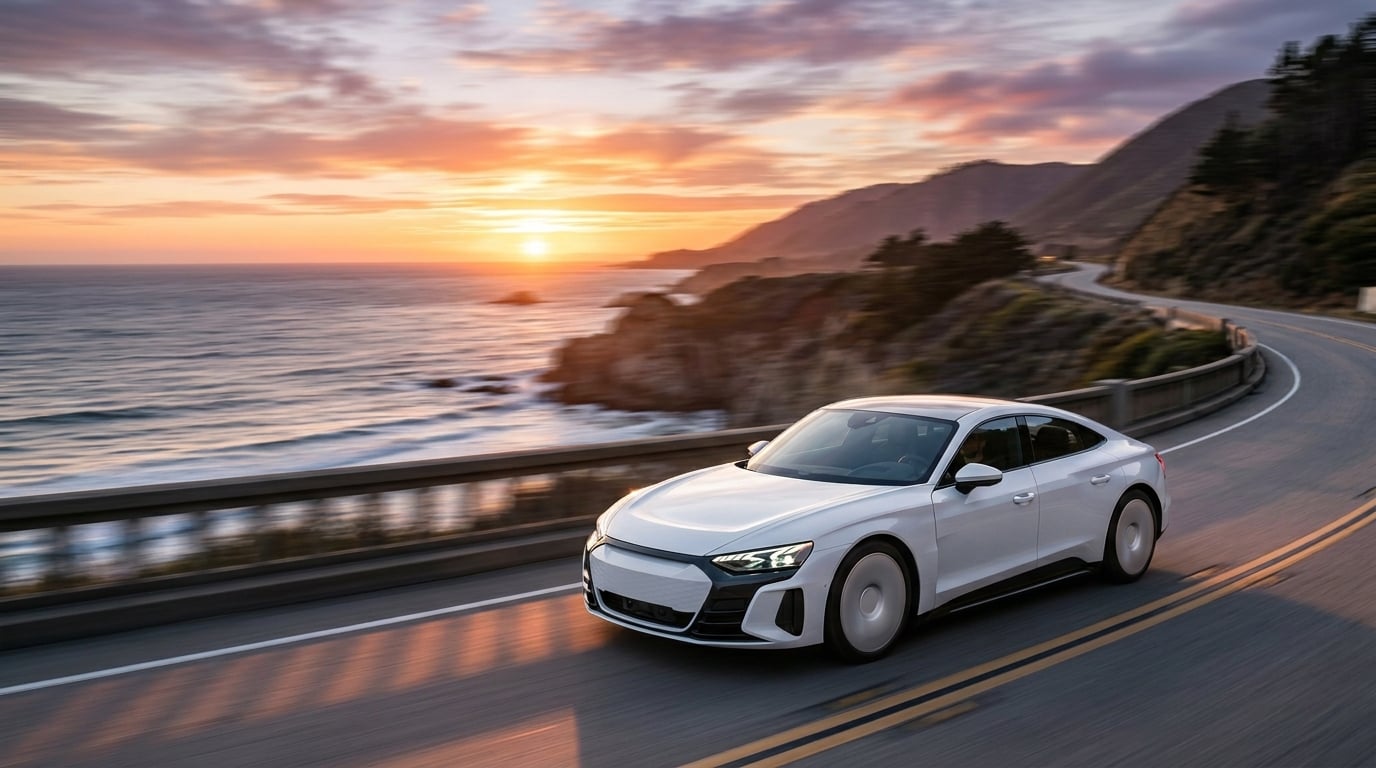
Choosing the Right Road Trip Vehicle for Weekend Getaways
Living in a suburban community offers countless opportunities for weekend escapes. From quiet coastal roads and state parks to scenic mountain passes, regional getaways provide a welcome break from weekday routines. However, heading out on a journey that spans long distances across state borders requires a vehicle capable of doing far more than just handling local school drop-offs or quick supermarket visits. Drivers often discover that an automobile built strictly for short neighborhood trips feels cramped, loud, or underpowered on wide highways.
Selecting an automobile tailored for travel means balancing passenger comfort, cargo space, reliable mechanics, and ongoing operating costs. A successful road trip begins long before you load luggage into the trunk. By understanding what features matter most during extended hours behind the wheel, families can make sensible choices that keep every excursion enjoyable, safe, and stress-free.
Defining Your Travel Needs Beyond Daily Errands
Daily suburban driving usually involves stop-and-go traffic, moderate speeds, and brief trips close to home. Highway travel presents an entirely different set of demands on both driver and machine. Long stretches of asphalt require steady cruising capabilities, supportive seating that prevents fatigue, and adequate suspension dampening to smooth out rough highway pavement. Space requirements also change dramatically when sports gear, coolers, camping equipment, and heavy bags enter the equation.
While many drivers focus on upgrading to a premium commuter vehicle for daily office travel, an extended highway adventure requires a very different set of priorities. A sleek sedan that works wonderfully for solo weekday travel might struggle to accommodate family members and their belongings for an extended vacation. Considering how many passengers regularly travel together and what destinations you visit most often will clarify whether a spacious station wagon, a versatile crossover, or an all-wheel-drive sport utility vehicle makes the most practical sense.
Terrain plays another decisive role in shaping your vehicle needs. If your travels primarily follow interstate corridors between major towns, front-wheel-drive platforms often offer balanced handling and comfortable rides. On the other hand, travelers who head toward mountain trails, unpaved lakeside campsites, or regions with sudden seasonal storms will appreciate the added traction and ground clearance provided by all-wheel-drive systems.
Finding a Road Trip Car That Fits Your Budget
Purchasing a car dedicated to family travel does not require stretching your household finances to an uncomfortable limit. The secondary vehicle market offers numerous dependable options that have already absorbed their steepest depreciation. The secret to finding good value lies in looking past flashy brand prestige and concentrating instead on verified reliability, low ownership costs, and overall mechanical simplicity.
When shopping for a model that can handle varied terrain without straining your finances, resources like moto-champ.net provide guidance to help motorists identify the right vehicle at an honest price. Doing thorough research before visiting dealerships or private sellers keeps expectations realistic and prevents impulsive buying decisions. Look for models known for durable engines, easily accessible replacement parts, and consistent owner satisfaction over many miles of highway service.
Always request complete maintenance records before agreeing to purchase any pre-owned road trip vehicle. A well-cared-for engine that received timely fluid changes and regular preventative maintenance will perform much better on long-distance excursions than a neglected alternative with fewer miles on the odometer. A comprehensive pre-purchase inspection performed by an independent mechanic is another sensible step that uncovers hidden mechanical wear before you finalize the transaction.
Essential Features for Long-Distance Comfort
Spending several consecutive hours inside a cabin can test the patience of even the most enthusiastic travel companions. Modern travel comfort relies heavily on thoughtful cabin ergonomics rather than purely decorative luxury trim. Supportive seats with adjustable lumbar support help drivers maintain good posture and alertness through long afternoons on the interstate. Multi-zone climate control systems allow front and rear passengers to manage their own temperatures without constant disagreements.
Noise reduction is another often overlooked factor that directly impacts travel fatigue. Well-insulated cabins diminish tire roar, wind turbulence, and engine hum, creating a calmer atmosphere where conversations remain easy and passengers can rest peacefully. In addition, user-friendly dashboard technology that integrates simple smartphone navigation ensures that the driver keeps attention directed toward traffic rather than struggling with complicated controls.
When evaluating potential vehicles for family road trips, certain cabin characteristics make extended journeys noticeably more pleasant:
- Adjustable rear seating configurations that allow flexible combinations of passengers and bulky cargo
- Accessible charging ports throughout the cabin to keep mobile electronics powered during lengthy routes
- Generous storage pockets, deep door bins, and secure cup holders to keep small personal items organized
- Split-folding rear seats that facilitate loading sports gear without sacrificing passenger seating capacity
Securing Dependable Coverage for Distant Journeys
Owning a capable vehicle is only part of preparing for safe highway exploration. Traveling beyond familiar hometown roads introduces new driving environments, unfamiliar highway interchanges, and unexpected weather challenges. Having appropriate insurance coverage gives motorists peace of mind whenever they wander far from their home territory. A standard policy that satisfies minimum regional requirements might not offer sufficient support if a breakdown or accident occurs several states away.
Before packing luggage and pulling out of the driveway, reviewing your current auto policy is essential, and platforms such as Car Insurers Online can help you explore practical policies that protect your family and vehicle across state lines. Ensuring that your coverage includes comprehensive protection against animal strikes, falling tree branches, windshield cracks from highway debris, and weather damage is especially prudent for rural travel.
Roadside assistance coverage is another invaluable addition to any long-distance travel policy. If you encounter a flat tire on a deserted parkway or an unexpected battery failure at an isolated scenic overlook, prompt access to towing services, tire replacement support, and emergency fuel delivery removes a tremendous amount of stress. Taking time to verify these policy details before your trip prevents costly surprises during what should be a relaxing holiday.
Practical Route Preparation and Vehicle Readiness
Even the most dependable vehicle requires basic mechanical validation before departing on a lengthy road excursion. Establishing a routine checklist ensures that your car remains safe throughout the expedition. Begin by examining tire pressure, including the spare tire stored underneath the cargo floor. Inspect tire treads for even wear, as proper tread depth is vital for maintaining grip during heavy rainstorms on high-speed expressways.
Check all vital fluid levels, including engine oil, brake fluid, coolant, and windshield washer reservoir. Highway driving places sustained thermal demands on your engine, making fresh fluids crucial for consistent temperature regulation. Replacing worn windshield wiper blades and testing all exterior lighting ensures clear forward visibility and helps other highway travelers see your vehicle in heavy fog or night driving conditions.
Equipping your household with the right vehicle turns ordinary weekends into memorable regional adventures. By matching your automotive choices to your family travel habits, prioritizing functional comfort, securing comprehensive protection, and maintaining mechanical discipline, every road trip becomes an effortless escape. With thoughtful preparation and the right vehicle parked in your driveway, the open road offers endless possibilities for discovery.