
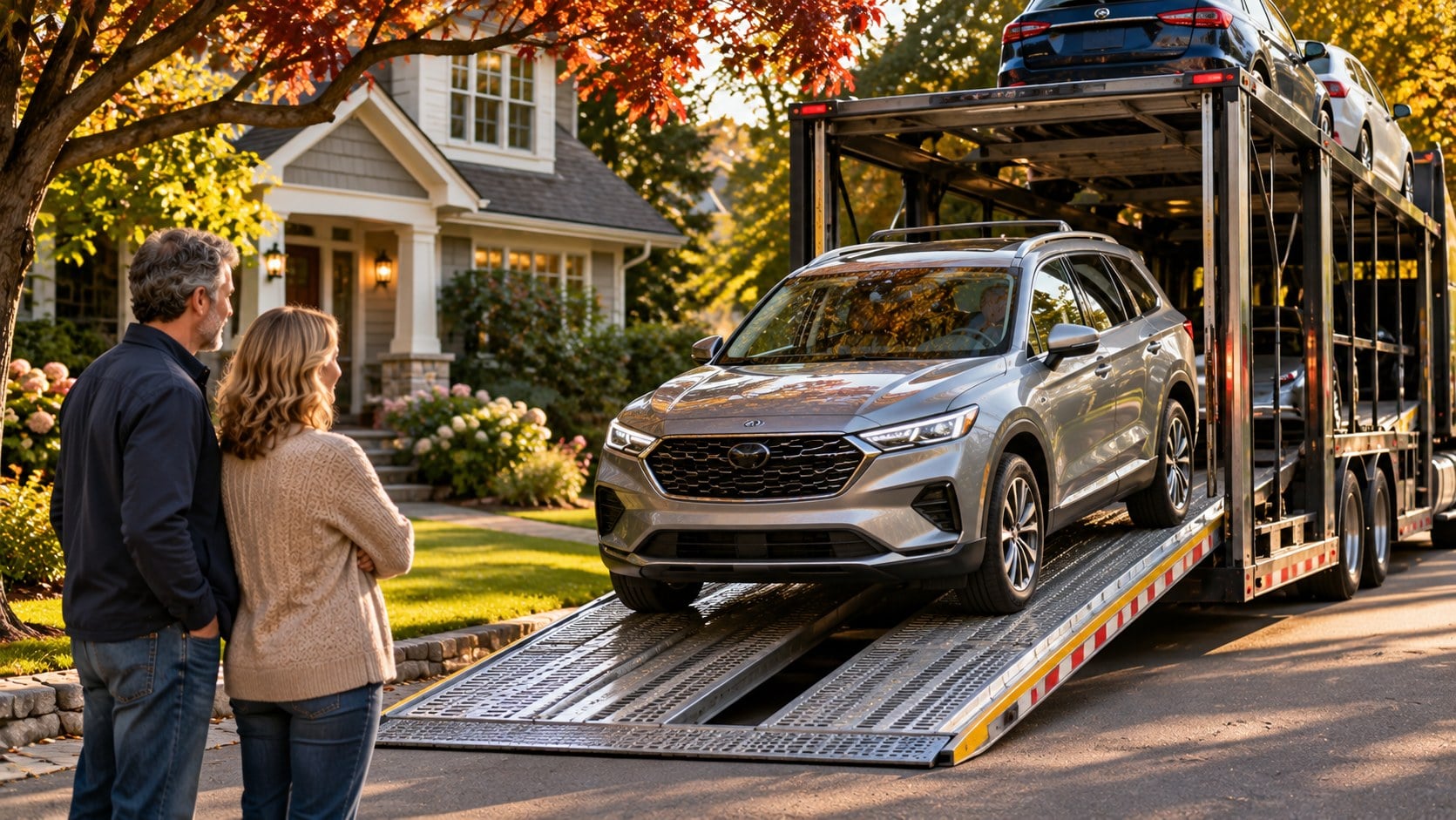
The Long Island Family Bought a Car Out of State: What Happens Between the Online Purchase and Delivery to Their Driveway
A family in Nassau County finds the car they have been searching for at a dealership several states away. The vehicle has the right features, acceptable mileage, and a price that appears more attractive than comparable options closer to home. After reviewing photographs, discussing financing, and exchanging documents electronically, the family decides to complete the purchase without visiting the dealership.
However, buying the vehicle and getting it home are two separate transactions. Between the moment the purchase agreement is signed and the moment the car reaches Long Island, several organizations may become involved, including the dealership, financing provider, transportation broker, vehicle carrier, and insurance company.
Transportation resources from companies such as A-1 Auto Transport can help buyers understand the logistics associated with moving vehicles between states. Nevertheless, a successful delivery depends on more than reserving space on a transportation truck.
For Long Island households considering an out-of-state vehicle purchase, understanding the responsibilities of each participant can help prevent unexpected expenses, documentation problems, and delivery delays.
The Real Cost of an Out-of-State Vehicle Purchase
Online automotive marketplaces allow consumers to compare vehicles across a much larger geographic area than traditional dealership visits would permit. A buyer living in Suffolk County can examine vehicles available in Pennsylvania, Ohio, North Carolina, or considerably farther away without leaving home.
This expanded selection can be particularly useful when searching for a specific vehicle configuration, an uncommon model, or a used car with particular ownership and maintenance characteristics.
However, comparing advertised purchase prices alone may create an incomplete picture of the transaction.
An out-of-state purchase may introduce additional transportation expenses, documentation requirements, independent inspection costs, and temporary transportation needs while the vehicle is in transit.
Buyers should therefore evaluate the total anticipated acquisition cost rather than assuming that a lower advertised price necessarily represents a better financial outcome.
A useful comparison should account for the vehicle price, financing arrangements, applicable taxes, registration expenses, transportation costs, and any additional services included in the purchase agreement.
Obtaining these details before committing to the transaction makes it easier to compare distant dealerships with alternatives available closer to Long Island.
Vehicle Photographs Cannot Replace an Independent Inspection
One of the main challenges associated with purchasing a vehicle remotely is the limited opportunity to examine its condition personally.
Dealership photographs may provide useful information about exterior appearance, interior features, and visible wear. However, they cannot establish the mechanical condition of every vehicle component or reveal every issue that might affect future ownership.
The Federal Trade Commission advises consumers purchasing used vehicles to obtain vehicle history information and consider an independent mechanical inspection before completing the purchase. It also explains the importance of reviewing the required Buyers Guide, including when used vehicles are purchased online from dealers covered by the rule.
For remote buyers, arranging an independent inspection near the selling dealership may help address questions that cannot be resolved through photographs or telephone conversations.
Buyers should also request written clarification of any concerns identified during the inspection. Statements about previous repairs, warranty coverage, or promised corrective work should be incorporated into the appropriate transaction records.
These precautions become particularly valuable when the buyer will not have an opportunity to examine the vehicle personally until after it has traveled hundreds of miles.
Completing the Purchase Does Not Automatically Authorize Vehicle Collection
After negotiating the purchase and signing the required agreements, buyers may assume that transportation can begin immediately. In practice, dealerships may have internal procedures that must be completed before a vehicle can leave their premises.
Financing approval, confirmation of funds, verification of ownership documentation, preparation of keys, and internal authorization may all influence when the dealership can release the vehicle.
Consider a hypothetical buyer who schedules a transportation company to collect a vehicle on Friday afternoon. The dealership has received the signed purchase agreement but is still waiting for confirmation of the final payment.
The transportation driver arrives expecting to collect the vehicle, only to discover that dealership personnel cannot authorize its release.
Depending on the transportation agreement and the circumstances, the unsuccessful collection attempt could create additional scheduling complications or expenses.
Before confirming a pickup window, buyers should ask the dealership to identify the person responsible for vehicle release and establish when the necessary authorization is expected to be completed.
It is also helpful to confirm the dealership’s collection hours and determine whether any identification or authorization must be presented by the transportation driver.
How Dealership Delivery Arrangements Can Differ
Some dealerships coordinate transportation directly, while others refer buyers to independent transportation providers or allow customers to organize their own shipping arrangements.
These alternatives can involve different contractual relationships. A transportation charge appearing on a dealership invoice does not necessarily explain which organization will perform the delivery or how transportation responsibilities are distributed.
Buyers researching how dealerships arrange vehicle delivery should pay particular attention to the difference between transportation coordination and the physical movement of the vehicle.
When delivery is included in a vehicle purchase agreement, the buyer should establish who is responsible for arranging the shipment, communicating pickup information, and addressing transportation-related questions.
If transportation is organized independently, the buyer may need to provide the transportation company with accurate dealership contact information, vehicle details, release instructions, and destination requirements.
The objective is to prevent communication gaps between organizations that may otherwise assume someone else is responsible for completing an important part of the process.
Understanding Who Will Actually Transport the Vehicle
Vehicle transportation can involve both brokers and motor carriers. Although the two may participate in the same transaction, their responsibilities differ.
A transportation broker arranges transportation services, while a motor carrier performs the physical transportation of property using commercial vehicles.
The Federal Motor Carrier Safety Administration addresses this distinction in its consumer advisory concerning automobile transporters. The agency encourages consumers to verify the applicable federal registration of interstate transportation companies and understand whether the organization they are dealing with acts as a broker or carrier.
For Long Island buyers arranging an interstate vehicle delivery, this distinction has practical implications.
The business that provides the initial quotation may not be the organization operating the transportation truck. Buyers should know how to obtain the carrier’s details, who will communicate delivery updates, and which organization should be contacted if a transportation problem arises.
They should also review written payment terms and understand whether charges will be collected before pickup, during transportation, or upon delivery.
Clear contractual information can reduce uncertainty throughout the shipment and make it easier to identify the appropriate contact when questions arise.
Long Island Delivery Access Requires Local Planning
Long Island contains a wide variety of residential environments, from suburban neighborhoods with private driveways to densely developed communities with limited street parking and narrow residential roads.
These differences can influence how commercial vehicle transportation equipment approaches a delivery location.
A household may have sufficient space to park its newly purchased car but lack an appropriate nearby location for a large transportation truck to stop and unload safely.
Street geometry, overhead obstructions, parked vehicles, traffic conditions, and commercial vehicle restrictions can all affect the suitability of a proposed delivery location.
Buyers arranging vehicle transportation to Long Island should discuss destination access before the transportation driver reaches the neighborhood.
Depending on the circumstances, an appropriate alternative meeting point may be necessary. Any alternative location should be agreed upon in advance where practical, with attention to lawful parking, property permissions, and safe unloading conditions.
Households should also avoid assuming that every commercial vehicle can use the same roads as passenger cars. Transportation providers must account for applicable truck restrictions and equipment requirements when planning their approach to the destination.
Pickup Windows and Delivery Dates Are Different Scheduling Commitments
Consumers accustomed to tracking conventional online purchases may expect vehicle transportation to operate according to similarly precise delivery schedules.
However, transporting automobiles involves specialized equipment, coordinated vehicle collections, road conditions, driver availability, and operational requirements that can differ substantially from ordinary parcel delivery.
A scheduled collection window may depend on the vehicle becoming available at the dealership, while the delivery window may depend on the progress of other transportation activities along the route.
Weather conditions, traffic disruptions, equipment problems, or changes in another customer’s collection arrangements can also influence transportation schedules.
Buyers should establish whether quoted dates represent estimated windows or specific contractual commitments. They should also understand how schedule changes will be communicated and what arrangements are available if the expected delivery date changes.
For households that depend on a vehicle for commuting, childcare, or other daily responsibilities, maintaining temporary transportation arrangements can reduce the consequences of an unexpected delay.
Selling an existing household vehicle before confirming the arrival and usability of its replacement may introduce unnecessary pressure into the transaction.
Vehicle Condition Records Connect the Dealership With the Buyer
When a vehicle is purchased remotely, its condition may be documented by several different parties at different points in the transaction.
The dealership may provide photographs during the sales process. An independent mechanic may prepare an inspection report. The transportation carrier may record visible vehicle conditions when collecting the car.
These records serve different purposes and should not be treated as interchangeable.
A mechanical inspection addresses questions about the vehicle’s condition and operation, while a transportation condition report generally helps document visible characteristics relevant to the shipment.
Buyers can ask the dealership to preserve recent photographs of the vehicle, particularly when there has been a delay between the original sales listing and the transportation pickup.
At delivery, the recipient should examine the vehicle in suitable lighting and compare its visible condition with the available transportation records.
Any apparent discrepancies should be documented promptly through photographs and the appropriate delivery paperwork. The buyer should retain copies of relevant records and follow the reporting procedures described in the transportation agreement.
This approach helps distinguish questions arising from the original vehicle purchase from issues that may have developed during transportation.
New York Registration Requires Its Own Documentation
The physical arrival of an out-of-state vehicle does not automatically establish that it is ready for lawful operation on New York roads.
The New York State Department of Motor Vehicles identifies different ownership documentation requirements depending on whether a vehicle is new or used and whether it was purchased from an in-state dealer, an out-of-state dealership, or a private seller.
Buyers should establish which ownership documents apply to their particular transaction and determine whether the selling dealership will provide them directly or coordinate aspects of the registration process.
Additional requirements concerning insurance, taxes, registration, and inspection should be reviewed using current New York DMV guidance.
These administrative arrangements deserve attention before the vehicle is delivered, particularly when the buyer expects to begin using it immediately.
A car sitting in the driveway may still be unavailable for regular use if essential registration or insurance requirements remain unresolved.
Clarifying these responsibilities in advance helps prevent a successful transportation delivery from becoming the beginning of another administrative delay.
A Successful Remote Purchase Depends on Coordinating Every Handoff
Buying a vehicle from another state can provide Long Island households with access to a wider selection of cars and purchasing opportunities that may not be available locally.
However, the convenience of completing much of the transaction online should not obscure the practical responsibilities associated with inspections, payment confirmation, dealership release, interstate transportation, and New York registration.
Each stage involves information that must be communicated accurately between the organizations participating in the transaction.
A transportation company cannot collect a vehicle that the dealership has not authorized for release. A delivery driver cannot safely unload at every residential address. A buyer cannot assume that the physical arrival of a vehicle satisfies all registration requirements.
Addressing these questions before the purchase is finalized can make the entire process more predictable.
For Long Island families considering their next vehicle purchase, the objective should extend beyond finding an attractive car at a competitive price. It should include establishing a realistic plan for transferring that vehicle from the selling dealership into everyday household use.
The online purchase may begin with a few clicks, but its successful completion depends on careful preparation throughout the journey from the dealership to the driveway.