Upgrading Suburban Sunrooms for Practical All-Season Comfort
Suburban homes across Long Island often feature a sunroom, enclosed back porch, or sheltered breezeway. These sunlit transitions connect cozy interior rooms with expansive yards and coastal breezes. Yet in many households, these spaces become neglected catchalls for patio cushions, garden tools, and forgotten storage boxes. During the chillier months of winter or the humid peaks of midsummer, uneven temperatures can turn a promising retreat into an uninviting hallway.
Reclaiming a sunroom transforms how your entire household interacts with the home. A thoughtfully updated sunroom serves as a peaceful morning coffee nook, an inspiring remote workspace, or a quiet library filled with natural daylight. Converting an underused enclosure into a dependable, year-round haven requires a methodical approach that addresses structural integrity, air comfort, smart furnishings, and purposeful decor.
Assessing Structural Insulation and Natural Light Flow
Before investing in furniture or decorative accents, examine the envelope of the room. Sunrooms and enclosed porches frequently rely on older glass panes, lightweight screening conversions, or thin paneling that leaks conditioned air. Begin by checking each window frame for signs of deterioration, wood rot, or cracked glazing. Coastal air and seasonal temperature swings can degrade caulking quickly, creating silent drafts that make heating or cooling difficult.
Sealing small gaps around baseboards, exterior doorways, and window sashes forms the foundation of any successful renovation. Applying fresh silicone sealant and replacing brittle weatherstripping takes minimal time but delivers immediate stability to indoor comfort. Homeowners seeking guidance on troubleshooting structural drafts and understanding their property can consult practical maintenance checklists at lonestarborger.com to protect their living spaces from seasonal wear and tear.
Next, evaluate how sunlight moves across the space throughout the day. While natural brightness is the primary attraction of a sunroom, unfiltered solar exposure can fade wood finishes, wash out fabrics, and cause excessive afternoon heat buildup. Installing adjustable solar shades, cellular blinds, or linen draperies allows you to filter harsh glare during midday hours while preserving panoramic backyard views. Maintaining control over incoming light also protects your flooring from persistent ultraviolet exposure.
Selecting Resilient Furniture and Functional Layouts
Sunrooms experience wider humidity shifts and higher ultraviolet exposure than standard living rooms. Because of these distinct environmental demands, traditional indoor upholstered sofas can deteriorate rapidly if fabrics are not rated for heavy sunlight. Look for frames built from solid hardwoods, coated aluminum, or high-density synthetic wicker that resist warping and moisture absorption over time. These materials withstand fluctuating humidity levels without swelling or cracking.
When coordinating seating arrangements, prioritize traffic patterns that keep sliding patio doors and garden pathways completely unobstructed. Our earlier guide on designing seamless living spaces highlights how intuitive room flow creates harmony between adjacent domestic zones. Positioning conversation chairs near windows while anchoring walkways helps maintain an open, uncluttered atmosphere that invites daily relaxation.
Fabric selection deserves equal attention. Performance textiles designed to repel liquid spills and resist color fading give you the plush comfort of indoor upholstery without the vulnerability. For inspiring decorating ideas and smart furniture purchasing tips, visit Revamphomegoods.com to curate durable pieces that stand up to active family life and strong afternoon sunlight. Choosing stain-resistant, UV-treated cushions ensures your seating remains vibrant and comfortable through repeated seasonal use.
Managing Airflow and Temperature Throughout the Changing Seasons
Achieving reliable comfort in an enclosed porch requires deliberate temperature management across every season. In summer, relying solely on open windows may introduce unwanted humidity and pollen into the home. In late autumn and winter, radiant cold radiating through expansive glass surfaces can quickly chill uninsulated floorboards. Balancing airflow and heat retention creates an environment you can enjoy regardless of outside weather conditions.
Installing a ceiling fan with reversible blade rotation is one of the most effective mechanical additions for an enclosed porch. Counterclockwise rotation creates a gentle cooling breeze during humid summer afternoons, while running the fan clockwise on low speed gently pushes warm air downward during cooler evenings. This simple airflow management distributes warmth evenly without creating disruptive drafts.
To maintain steady climate control without overwhelming your household energy footprint, consider several practical measures:
- Install thermal insulated curtains that can be drawn shut on particularly frosty evenings.
- Place low-profile ceramic radiant heaters with automatic shutoff timers for targeted cold-weather warmth.
- Layer thick flat-weave area rugs over felt pads to insulate cold tile or concrete slab foundations.
- Utilize portable dehumidifiers during high-humidity coastal summer spells to keep air crisp and dry.
Integrating Practical Storage and Daily Utility
Without dedicated storage systems, sunrooms quickly accumulate misplaced outdoor footwear, children’s toys, and gardening accessories. A practical sunroom should balance relaxation with functional utility, especially for busy suburban families who enter through the porch after working in the garden or returning from a beach excursion. Establishing clear zones for entry and leisure keeps everyday items from overwhelming the room.
Built-in window benches with hinged storage lids provide substantial space to tuck away seasonal throw blankets, board games, and outdoor reading materials. Storage ottomans upholstered in moisture-resistant performance fabric serve double duty as comfortable footrests and discrete storage bins. Keeping visual clutter out of sight allows natural light to remain the undisputed focal point of the interior.
If your sunroom also serves as an informal home office or creative studio, choose modular desks and low-profile shelving units that do not block window glass. A compact credenza placed against an interior shared wall can house charging stations, laptop sleeves, and craft supplies, keeping work materials organized without turning the sunny retreat into a chaotic workspace.
Adding Warm Accents for a Welcoming Atmosphere
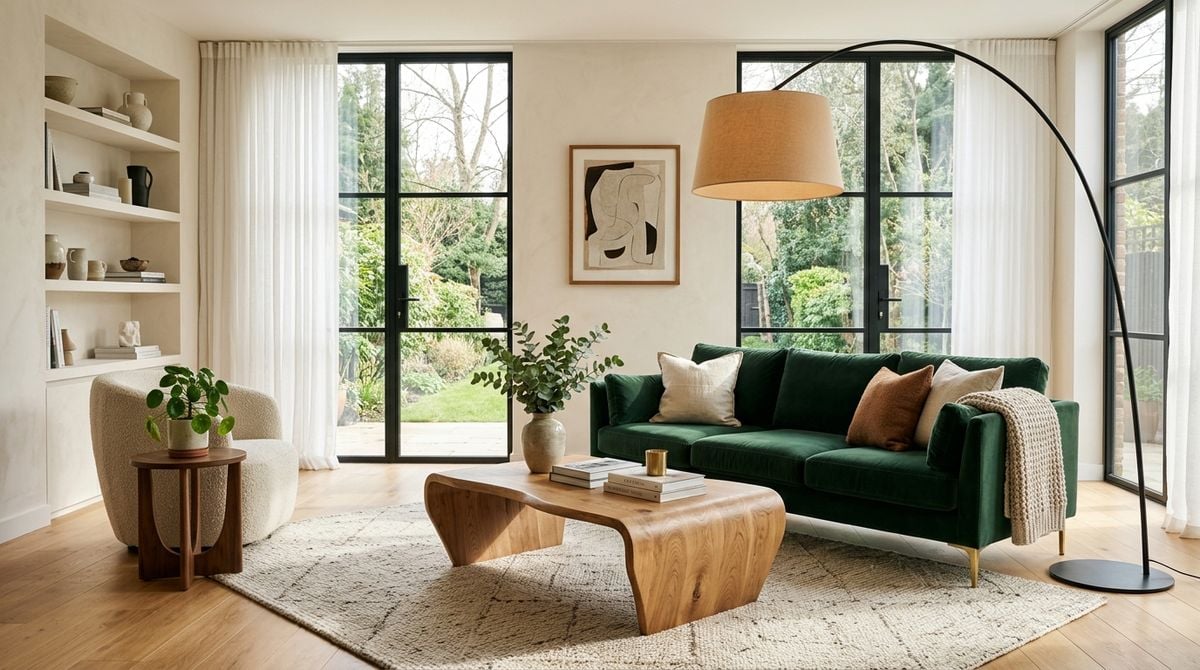
Once the physical comfort, furniture arrangements, and organization are established, focus on decorative details that breathe personality into the room. Introducing live houseplants is a natural choice for an environment filled with abundant light. Thriving greenery such as fiddle-leaf figs, snake plants, and hanging pothos vines reinforces the visual bridge between your home interior and the garden outside. Caring for indoor foliage adds color, texture, and vitality to the sunroom year after year.
Lighting also plays a critical role as natural daylight fades. Because many traditional porches only feature a single overhead exterior fixture, adding layered lighting options transforms the room into an inviting evening sanctuary. Consider a combination of slim floor lamps, soft table lamps with warm-toned bulbs, and battery-operated pillar candles to cast a soothing, ambient glow across seating corners. Dimmable accent lights allow you to adjust the mood effortlessly for reading or evening conversation.
Textiles provide the finishing touch for comfort and warmth. Layering textured throw blankets, decorative woven pillows, and natural fiber floor coverings softens hard glass surfaces and tiled floors. Mixing earthy tones, muted coastal blues, and warm creams complements outdoor garden views while establishing a calm, cohesive visual theme that feels connected to the rest of your home.
Transforming an underutilized sunroom into an essential suburban retreat requires patient planning and practical care. By sealing seasonal drafts, choosing durable furnishings, managing everyday climate shifts, and incorporating functional storage, you can build a versatile living space that serves your household through every season. A well-designed sunroom quickly becomes the most cherished room in the home, offering a quiet, light-filled haven for rest, productivity, and shared family moments.