Transforming Your Property Into a Lasting Sanctuary
Home ownership often feels like a continuous journey of adjustment, learning, and refinement. Whether you live in a historic home that requires careful preservation or a more modern structure that demands functional upgrades, the process of turning a house into a sanctuary is deeply personal. It requires observing how your living environment impacts your daily mood and productivity while considering how to maintain the property for years to come. By thoughtfully approaching improvements, homeowners can create spaces that feel both welcoming and enduring, without feeling overwhelmed by the sheer scope of potential projects.
Establishing a Strong Foundation for Maintenance
When evaluating the long-term needs of a residence, it is essential to prioritize basic structural integrity and routine upkeep. Many homeowners focus on cosmetic changes, but true comfort begins with ensuring that all systems—from roofing to basic insulation—are functioning as intended. Understanding how different materials respond to seasonal changes is a vital part of this process. Homeowners should look for resources that provide comprehensive insights, such as House Muscle, to guide their understanding of essential home maintenance and property care, allowing them to approach repairs with confidence and clarity.
Approaching home care from a preventative perspective often saves considerable time and stress later. Instead of waiting for a significant issue to emerge, regular inspections of common wear-and-tear areas can reveal minor problems before they escalate. This proactive stance is not about perfection, but rather about managing your home in a way that supports your lifestyle. By becoming familiar with the components of your home, you gain a sense of agency that makes living in the property more satisfying and reduces the unpredictability that sometimes comes with home ownership.
Enhancing Curb Appeal Through Thoughtful Design
The exterior of your property serves as the threshold between your private sanctuary and the wider community. Curb appeal is about more than just aesthetics; it is about creating an inviting environment that reflects your personal style while respecting the character of the neighborhood. Simple adjustments, such as improving exterior lighting, updating hardware, or maintaining tidy landscaping, can significantly alter how you feel when returning home each day. If you are looking for guidance on improving your property’s overall desirability or understanding how small upgrades might affect your satisfaction, visiting Realestateguidance.org can provide valuable context for your efforts.
It is worth noting that exterior improvements often offer the greatest return on time invested. When planning these updates, consider materials that require minimal maintenance. Choosing elements that withstand local weather patterns can ensure that your home retains its appeal without demanding constant attention. Furthermore, enhancing your outdoor space provides an opportunity to create areas that foster connection with neighbors, should you choose to engage, or provide quiet reflection, depending on how you arrange your outdoor seating and greenery.
Cultivating Comfort Within Your Living Spaces
The interior of a home should serve as a retreat from the fast pace of modern life. As you curate your living environment, think about how each room serves your daily needs. Lighting, color, and furniture arrangement all play a significant role in creating a space that feels both functional and restorative. It is not just about having a well-decorated room, but about ensuring the layout allows for quiet movement and relaxation. We have previously explored how to cultivate calm in finding daily balance and focus habits, which is essential when organizing your living spaces for maximum comfort and mental clarity.
Consider the role of natural light and ventilation in your home. These elements often have the most significant impact on how spacious and airy a room feels. If a space feels cluttered or dark, it can contribute to a sense of unease or restlessness. By simplifying your surroundings and allowing more light into your living areas, you can create a more serene atmosphere. This is often an iterative process, where you slowly adjust your environment to better suit your changing needs and preferences over time.
Creating a Sustainable Home Maintenance Routine
Developing a consistent routine is the most effective way to ensure that your home remains in good condition without causing undue stress. A manageable schedule helps divide larger tasks into smaller, less intimidating actions that can be addressed periodically. Rather than viewing maintenance as a chore, try to incorporate it into your existing rhythm. For instance, you might pair certain tasks with seasonal changes to ensure that your home is prepared for the shift in temperature and weather. Consider these basic steps for an effective routine:
- Inspect windows and doors for drafts to ensure energy efficiency.
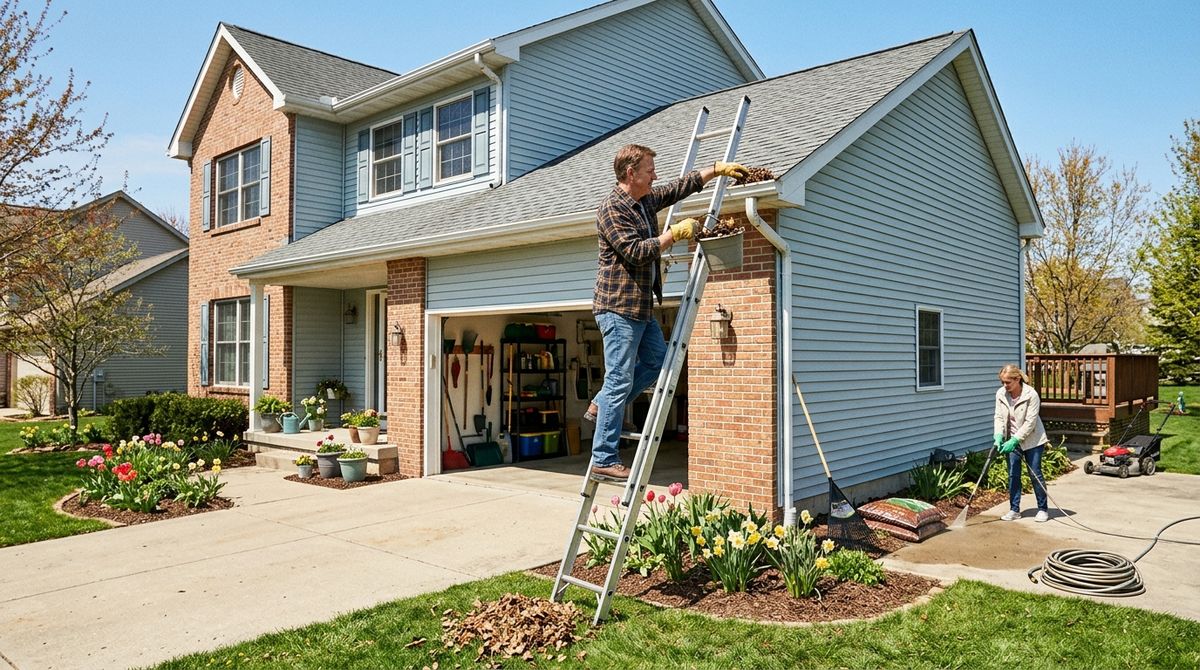
- Clean gutters and downspouts to prevent water accumulation near the foundation.
- Test smoke and carbon monoxide detectors to ensure safety features are active.
- Clean HVAC filters to improve indoor air quality and system efficiency.
- Examine exterior paint or siding for signs of weathering or damage.
These practices, while simple, form the backbone of a well-cared-for home. By addressing these tasks methodically, you avoid the buildup of neglected responsibilities that can lead to more complex problems later. The goal is to establish a rhythm that feels sustainable, allowing you to enjoy your home rather than feeling constantly occupied by its upkeep.
Long-Term Value and Adaptability
Home improvement is rarely a finished project; it is a gradual evolution. As your life changes, your home should be adaptable enough to meet those new demands. Whether that means repurposing a room to serve as a home office, updating appliances to be more energy-efficient, or simply refreshing the paint to create a different mood, the key is flexibility. Focusing on high-quality, durable solutions often proves to be a wise approach, as it reduces the need for frequent replacements and ensures that your home remains functional through various life stages.
Ultimately, the effort you put into your home is an investment in your personal wellbeing. When your environment is well-maintained and aligned with your lifestyle, it becomes a source of support rather than another task on your to-do list. By approaching your home as a sanctuary that requires patience and steady attention, you build a foundation that can serve you well for many years, providing a stable, comforting backdrop for all that you do.