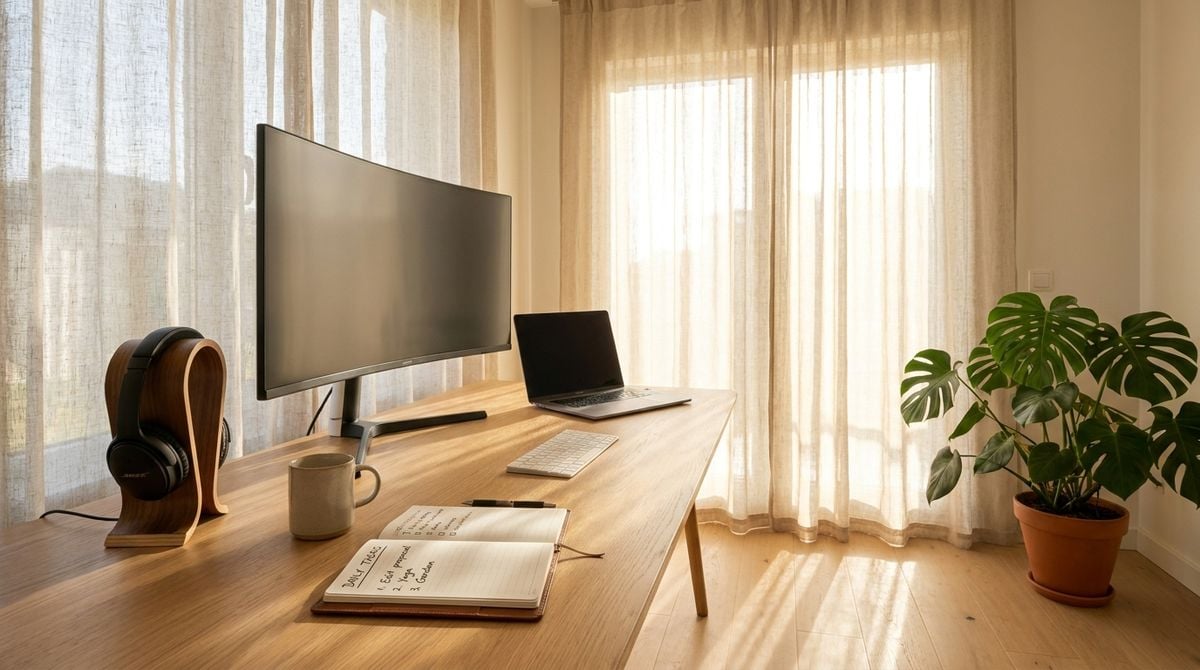
Designing a Dedicated Home Office for Daily Productivity
Managing professional responsibilities from the comfort of a suburban residence offers welcome flexibility, but it also introduces unique spatial challenges. When business tasks spill over onto kitchen counters or living room coffee tables, separating household routines from work obligations becomes increasingly difficult. Establishing a dedicated work zone provides the physical and mental boundary needed to sustain focus throughout the workday while protecting domestic tranquility during evening hours.
A functional home workspace does not require an expansive floor plan or a complex architectural remodel. Thoughtful decisions regarding room selection, supportive seating, organized storage, and balanced lighting determine the daily utility of your area. Taking the time to evaluate how you interact with your physical environment allows you to craft a reliable station that supports steady concentration, physical comfort, and general peace of mind.
Whether you handle business matters full-time from home or simply need an organized command center for managing family paperwork and personal projects, creating an intentional setup pays immediate dividends. A well-ordered desk promotes efficient habits, reduces cognitive clutter, and makes sitting down to work feel like an orderly start to your day rather than a chaotic scramble.
Selecting the Best Location in Your Home
The first critical step involves finding an appropriate area that minimizes ambient household distractions. In many suburban houses, spare guest bedrooms, formal dining rooms that see infrequent use, or finished alcoves offer prime square footage for a private desk. If an entire room cannot be spared, look for quieter corners situated away from primary foot traffic corridors like busy entryways and open kitchens.
Acoustic privacy plays a substantial role in maintaining attention during phone calls and complex tasks. Solid interior doors help muffle the sound of active washing machines, family members watching television, or outdoor neighborhood activity. When evaluating potential spots, consider the placement of electrical outlets and internet routers, as stretching cords across open walkways creates unsightly clutter and tripping hazards.
Visual inspiration can help you assess how different floor plans adapt to residential work demands. Browsing creative layout concepts on platforms like Groliehome can provide valuable ideas for coordinating furniture arrangements, color palettes, and decorative accents that harmonize with your existing decor while establishing an orderly professional atmosphere.
Take notice of seasonal temperature shifts in the spot you select. Sunlit rooms on the southern side of a house may become excessively warm during summer afternoons, while corner rooms over unheated garages can turn chilly in colder months. Choosing an area with consistent heating and cooling airflow ensures you remain comfortable without constantly adjusting space heaters or portable fans.
Choosing Supportive and Practical Furnishings
Comfort and physical support form the foundation of any sustainable workspace. Sitting for several hours without proper lumbar alignment can cause back stiffness and muscle fatigue, which directly diminishes your enthusiasm during long afternoons. An adjustable office chair designed to support natural spinal posture should stand as your primary furniture investment.
Your desk surface should accommodate essential hardware without feeling cramped or crowded. A work surface that comfortably holds a monitor, computer keyboard, mousepad, and reference documents encourages orderly work habits. Many homeowners combine compact writing tables with separate drawer units to maximize available legroom while keeping daily office supplies out of immediate sight.
Sourcing reliable components does not need to strain your household resources. Exploring collections from retailers such as newdiscountfurniture.com allows you to find functional desks, sturdy storage credenzas, and comfortable seating that match your personal taste while fitting comfortably within your decorating budget.
Remember that furniture proportions must match the scale of the room. Oversized executive desks can quickly overwhelm modest suburban rooms, making the environment feel tight and disorganized. Measure your floor area carefully before selecting primary items, leaving ample clearance to push back your chair and move freely around the perimeter of the room.
Implementing Layered Lighting and Cable Order
Lighting exerts an immediate effect on eye comfort and daily alertness. Working solely under harsh overhead ceiling fixtures can produce unpleasant glare on computer screens, while insufficient light strains your eyes during reading sessions. A balanced combination of natural daylight and dedicated task illumination produces the most pleasant working environment.
Position your desk perpendicular to nearby windows rather than directly facing or backing against them. This orientation prevents severe backlighting during video calls and eliminates distracting reflections on your computer display. Adjustable blinds or sheer curtains help soften direct sunlight during peak daytime hours, giving you control over incoming brightness.
Complement natural light with an adjustable desk lamp featuring a warm, diffused bulb. Aim the illumination toward paperwork and keyboard surfaces without pointing the beam into your direct line of sight. Dimmable desk fixtures are especially helpful as exterior light conditions change from bright mornings to overcast afternoons.
Managing power cords with simple adhesive clips, cable raceways, or under-desk wire trays further streamlines the visual field. Bundling power cables and charger cords keeps your footwell open, eliminates dust traps, and creates a clean aesthetic that supports mental clarity throughout the day.
Streamlining Daily Organization and Routine
An efficient workspace relies on logical organization that simplifies daily transitions. Much like the planning required for structural household updates, such as the strategies discussed in practical bathroom upgrades for busy households, setting up a functional room requires prioritizing practical convenience over ornamental excess.
Keep frequently used tools within arm’s reach while filing away inactive project folders, reference books, and extra supplies. Vertical wall shelving, floating ledges, and mobile drawer pedestals help take advantage of unused wall space without consuming precious floor area. Labeling storage bins and file boxes ensures that important documents remain easy to find when needed.
Establishing dependable habits helps you transition smoothly between professional duties and family life at the conclusion of each day:
- Clear loose paper and empty beverage mugs off your primary desktop before signing off.
- File digital documents and organize computer desktop folders into designated project archives.
- Turn off task lighting and peripheral monitors to signal that the workday has concluded.
- Step away from the designated work zone completely to enjoy your evening domestic routine.
Personalizing the Space for Calm and Focus
While practical function remains essential, introducing subtle personal elements prevents your workspace from feeling sterile or clinical. Incorporating small indoor potted plants, such as snake plants or pothos, adds organic vitality to the desk environment while helping soften the hard lines of technological equipment.
Wall artwork featuring calm landscapes, architectural sketches, or abstract prints can provide a restful visual escape during brief pauses between tasks. Choose soothing paint tones for the surrounding walls, such as soft greens, warm neutrals, or muted blues, which encourage a composed and productive mental state.
Maintaining clear boundaries between professional equipment and personal clutter ensures the office remains a sanctuary for concentration. Avoid letting children’s toys, laundry baskets, or unpacked shopping bags accumulate in the corner of your workspace. When every item in the room serves a clear purpose, sitting down at the desk feels deliberate, comfortable, and focused.
Creating a dependable home workspace is a rewarding enhancement that benefits your entire household. By designating an appropriate location, selecting supportive furnishings, balancing your lighting, and establishing tidy daily habits, you build an environment that fosters consistent progress during work hours and restful separation once the day is done.
Investing care into your daily work environment ultimately protects both your productivity and your personal time. When your office functions smoothly, you accomplish tasks with greater ease and close your door with genuine peace of mind, ready to enjoy the comforts of suburban home life.