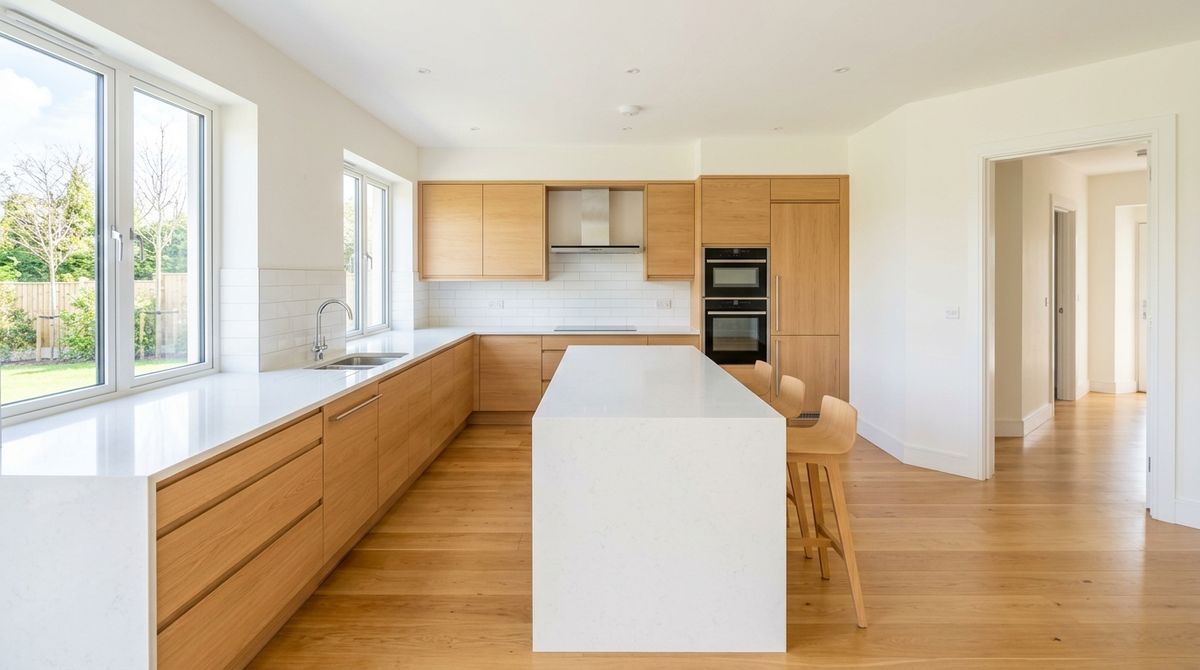
Creating a Healthier and More Efficient Suburban Kitchen
The kitchen stands as the true operational hub of any busy suburban household. From hurried weekday breakfasts before school to relaxed weekend dinners shared with neighbors, this single room absorbs more daily activity than almost any other space in the home. However, heavy everyday use inevitably brings practical challenges. Cooking vapors, airborne grease, cluttered work surfaces, and disorganized storage cabinets can quickly turn a once-inviting space into an overwhelming chore center. Establishing a healthy balance between functional efficiency and a clean, comfortable living environment requires deliberate planning rather than major disruptions.
Improving Daily Airflow and Kitchen Ventilation
Cooking naturally releases heat, moisture, microscopic food particles, and combustion vapors into the air. When these elements remain trapped inside, they settle onto cabinetry, leave stubborn films across countertops, and create persistent odors that linger throughout adjoining living areas. Developing good ventilation habits is one of the simplest ways to maintain indoor freshness. Running a range hood fan whenever your burners or oven are in use helps capture grease and steam before they disperse across the house. For kitchens with ducted exhaust systems, venting air directly outdoors provides dependable relief, while recirculating models benefit from clean carbon filters.
Cross-ventilation is equally valuable during intensive meal preparation, especially when searing proteins or simmering spices for extended periods. Opening a nearby window even slightly allows fresh outdoor air to displace stagnant indoor air, creating a natural pressure balance that pulls drafts through the room. When you want to address persistent household air concerns and learn sensible methods for maintaining a cleaner domestic space, exploring air-safecleaner.com provides practical guidance on resolving common environmental challenges throughout the home. Consistent airflow practices keep cooking vapors from settling into upholstered furniture and nearby window curtains.
Organizing Workstations for Smoother Meal Preparation
An efficient kitchen layout minimizes wasted movement by establishing clear, dedicated zones for specific kitchen tasks. In many suburban homes, countertops become drop zones for mail, school paperwork, and miscellaneous household items, leaving minimal room for actual cooking. Restoring order begins by grouping related items near their primary point of use. For instance, storing cutting boards, chef knives, and waste bins near the primary prep surface creates a natural preparation hub that keeps scrap materials contained. Similarly, keeping cooking oils, basic seasonings, and spatulas within arm reach of the stovetop prevents frantic searches while ingredients are cooking over high heat.
Investing in durable, multipurpose tools also prevents cabinets and drawers from becoming overcrowded with single-use gadgets that rarely leave storage. A few well-made pans, a dependable chef knife, and versatile prep bowls can easily handle the vast majority of everyday family recipes without crowding precious storage shelves. When you are looking for reliable gear recommendations, cooking accessories, and storage ideas that make everyday cooking more manageable, checking out The Kitchen Store Online.com can help you locate practical products that support an organized and functional culinary setup. Simplifying your collection allows every family member to find what they need quickly.
Essential Habits for Maintaining Clean Food Surfaces
Keeping kitchen surfaces clean is an essential component of a healthy cooking environment, but it does not require aggressive chemicals that release harsh fumes into your living areas. Gentle dish soaps, warm water, and simple vinegar dilutions can effectively clean most non-porous surfaces without degrading indoor air quality. Porous natural stones like granite or marble require mild, neutral cleaners to protect their protective sealants from etching over time. Focusing on proactive wiping rather than scrubbing dried spills saves considerable effort while keeping countertops ready for spontaneous food prep.
Implementing a few consistent habits throughout the week prevents grime from building up in neglected corners:
- Wiping cabinet hardware, appliance handles, and sink fixtures with a clean cloth after preparing meals.
- Designating separate cutting boards for fresh produce, raw proteins, and bakery items to avoid cross-contamination.
- Rinsing and wringing cleaning sponges thoroughly after each use, storing them where air circulates freely.
- Emptying small appliance crumb trays and wiping under countertop toaster ovens at the end of each week.
Connecting the Kitchen to the Rest of the Home
Modern suburban architectural styles frequently feature open floor plans that connect the kitchen directly to the living room, breakfast nook, and formal dining area. While this layout fosters togetherness and makes entertaining easier, it also means kitchen sounds, cooking odors, and visual clutter are on full display for anyone resting in the adjacent family room. Managing this connection requires balancing hospitality with sensory boundaries. Installing soft-close cabinet hinges, selecting quieter dishwasher models, and positioning trash bins out of direct sightlines helps preserve a peaceful atmosphere across neighboring living zones.
Creating logical transitions between busy service areas and quiet domestic spaces allows guests to mingle comfortably without getting underfoot during meal assembly. Much like the careful planning required when designing practical spaces for overnight guests, establishing clear pathways and hospitality stations keeps family routines running smoothly. Setting up a dedicated beverage station or breakfast bar away from the main stove allows family members and visitors to grab drinks, snacks, or coffee without interrupting the person managing hot pans or chopping vegetables at the main island.
Establishing Simple Evening Reset Routines
The secret to waking up to an inspiring, functional kitchen is establishing an evening routine that takes only a few minutes before bed. When dinner ends, loading and running the dishwasher immediately prevents dirty cookware from accumulating in the sink overnight. Allowing the exhaust fan to run for a short period after cooking finishes clears lingering moisture and food aromas from the air. Wiping the stovetop and central island clear of crumbs signals that the kitchen is closed for the evening, creating a peaceful, tidy sight for the morning rush.
A well-managed kitchen serves as both a hardworking workshop and a comforting domestic sanctuary. By prioritizing fresh air circulation, organizing purposeful workstations, choosing reliable tools, and maintaining clean surfaces, suburban homeowners can transform everyday cooking from a stressful task into a rewarding daily ritual. Small, consistent improvements build upon one another, producing a home environment where meals are prepared with ease and families can gather in lasting comfort.