Designing Seamless Indoor and Outdoor Living Spaces at Home
Suburban living offers a unique relationship with space. While urban dwellings often confine daily life indoors, suburban homes can expand family routines across both interior rooms and the yard. When indoor comfort flows naturally into outdoor settings, a property feels larger, more inviting, and better attuned to everyday relaxation. Achieving this harmony begins with thoughtful planning that connects interior quarters with open garden environments.
Many homeowners view the backyard simply as a lawn to mow, while treating the living room as an isolated sanctuary. Changing this perspective unlocks new possibilities for hosting family meals, enjoying quiet mornings, and spending more time outside. Approaching interior and exterior areas as extensions of a single lifestyle creates functional living spaces that adapt gracefully to seasonal shifts and gatherings.
Reimagining the Flow Between Indoors and Outdoors
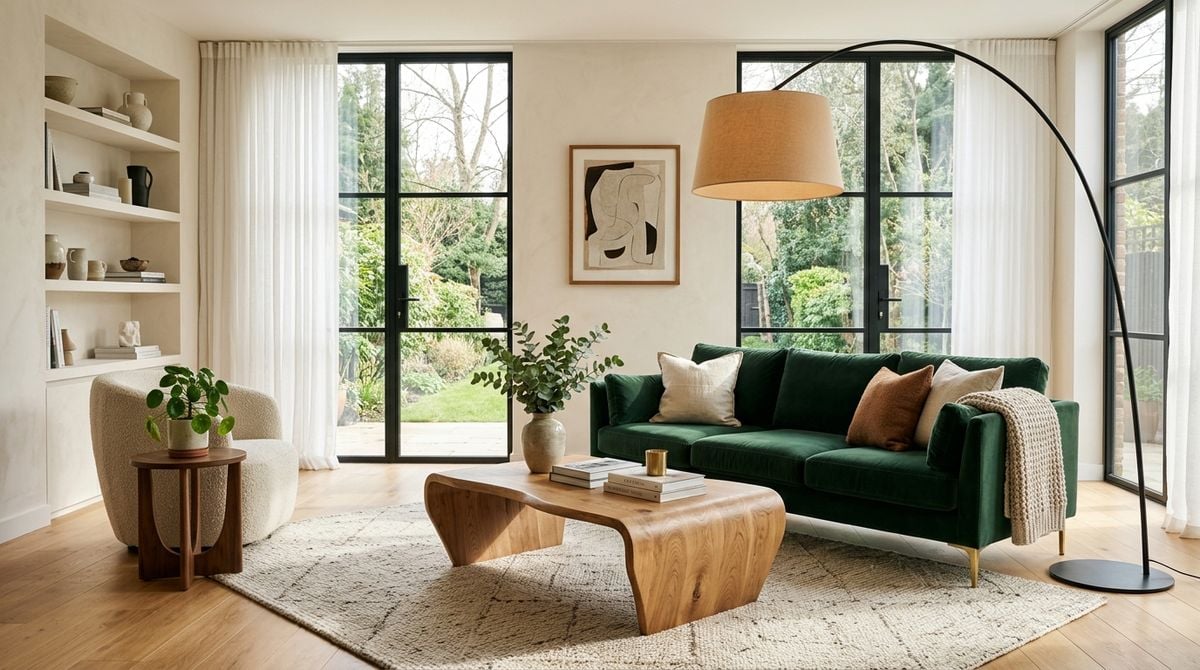
Cohesive living begins with understanding how your household moves through physical spaces during the day. Consider the path from your kitchen or dining area to the patio. When doors are narrow or cluttered, stepping outside feels like an inconvenient chore. Wide sliding glass panels, French doors, or folding partitions eliminate visual barriers and invite natural light inside, making transitions between spaces effortless.
Addressing layout barriers often requires exploring fresh home improvement concepts that modernize outdated floor plans. For homeowners seeking practical guidance on updating residential architecture and remodeling layouts, reading regular home improvement insights on specialedoptions.com can inspire sensible approaches for upgrading living environments and maximizing functional space. Simple adjustments to traffic pathways can completely revitalize the way a house interacts with its surroundings.
Visual continuity plays an equally decisive role in connecting distinct environments. Using flooring materials that share similar tones or complementary textures creates the illusion of an unbroken plane extending past exterior walls. Pairing warm interior flooring with similarly shaded patio pavers encourages the eye to travel outward. Large windows opposite main entryways also draw the gaze toward garden greenery, grounding indoor living in the natural landscape.
Designing Transitional Zones That Welcome Daily Use
Transitional spaces act as vital bridges between polished indoor environments and outdoor elements. Covered porches, screened verandas, and sunrooms provide sheltered zones where you can enjoy fresh breezes without facing harsh sunlight or sudden rain. These buffer areas soften the boundary between interior rooms and external weather, creating comfortable settings for reading, conversation, or casual dining.
A successful transition also depends on keeping outdoor debris and everyday clutter from spilling into main living quarters. Managing footwear, garden tools, and seasonal apparel requires dedicated storage setups right at the threshold. Homeowners can discover useful advice for organizing high-traffic entryways by exploring our guide on creating a functional suburban mudroom space to keep daily gear neatly arranged before stepping inside. When transitional zones stay orderly, moving freely between the garden and living areas remains pleasant and hassle-free.
Furnishing these transitional spaces demands a balance of resilience and comfort. Opt for durable seating crafted from weather-resistant frames and fabrics that mimic the elegance of indoor sofas. Adding comfortable throw pillows, side tables, and outdoor rugs helps these spaces feel just as refined as interior rooms, discouraging the perception that patio furniture must be stiff or utilitarian.
Curating Cohesive Aesthetic Themes for Home and Garden
A cohesive color palette establishes harmony throughout the home and garden. Instead of treating the patio as a detached decorative project, select colors, textures, and accents that echo your interior scheme. If your living room emphasizes neutral tones, warm woods, and earth-toned accents, carry those motifs onto your deck. Placing indoor houseplants near patio doors further blurs the threshold, weaving lush greenery into the interior.
Developing a structured plan for unified decorating requires thoughtful consideration of proportions, seasonal foliage, and complementary materials. Homeowners who want to map out detailed interior and exterior layouts can turn to huizhiseed.com for interior design plans and creative inspirations that help turn both rooms and garden areas into welcoming family retreats. Thoughtfully coordinating furnishings, planters, and decorative elements ensures every corner of the property feels intentional and tranquil.
Lighting serves as another essential bridge binding indoor and outdoor spaces after twilight. Harsh floodlights create glare that flattens outdoor views, while unlit yards turn glass doors into dark mirrors. Layering gentle accent lights, low-voltage path fixtures, and subtle uplighting on garden trees adds depth. When viewed from inside, a softly illuminated garden invites the eyes outward, extending the perceived room boundary long after sundown.
Practical Elements for All-Weather Enjoyment
Suburban weather changes throughout the seasons, bringing everything from humid summer afternoons to crisp autumn evenings. Making outdoor spaces truly usable throughout most of the year requires practical protective measures that shield you from harsh elements. Installing retractable awnings, pergolas with adjustable louvers, or sturdy patio umbrellas offers customizable shade when the sun is at its peak.
To maximize comfort across shifting weather conditions, consider incorporating several functional features that support everyday outdoor activities:
- Overhead ceiling fans mounted beneath covered patios to keep air circulating during warm afternoons.
- Freestanding patio heaters or designated fire features that provide radiant warmth on chilly evenings.
- Weather-resistant storage benches that keep extra blankets, cushions, and tabletop linens dry and ready for use.
- Hardy container plantings featuring native perennials, herbs, and ornamental grasses that thrive in seasonal climates.
- Movable privacy screens that diffuse wind and block harsh afternoon glare without closing off natural light.
These additions transform an open patio from an occasional weekend venue into an everyday dining and relaxation room. With proper temperature moderation and wind control, family members can comfortably read, work on laptops, or share meals outdoors across multiple seasons.
Maintaining Harmony and Long-Term Functionality
Sustaining a seamless connection between indoor and outdoor areas requires ongoing attention to flow, clutter, and seasonal upkeep. Keep walkways wide and unobstructed, ensuring that moving plates, beverages, or gardening supplies between areas remains effortless. Regularly inspecting weatherstripping around exterior doors preserves energy efficiency while ensuring sliding or hinged doors open smoothly without sticking.
Outdoor surfaces and fabrics also benefit from straightforward routine maintenance. Sweeping decks, wiping down outdoor tables, and rinsing cushions with clean water prevent dirt and organic material from being tracked into interior spaces. Storing delicate fabrics during severe weather preserves their appearance and longevity, ensuring that outdoor seating remains fresh and inviting whenever pleasant weather returns.
Connecting indoor comfort with outdoor natural beauty creates a balanced, restorative environment for the entire household. By treating patios, gardens, and interior living rooms as complementary parts of one continuous home, you unlock the full lifestyle potential of your suburban residence. With thoughtful planning, durable materials, and intuitive layout choices, your home becomes a welcoming retreat that gracefully accommodates quiet reflection and lively family gatherings alike.