Why Construction Sites Present Unique Safety Risks
Construction sites change constantly. Crews move equipment, open new work areas, install temporary structures, remove barriers, and perform different tasks as a project progresses. Conditions that were safe in the morning may look very different several hours later.
If you work in construction or regularly enter active job sites, understanding these changing hazards can help you recognize unsafe conditions before they cause an accident. Employers, contractors, property owners, equipment operators, and workers may all have responsibilities related to maintaining a safe work environment.
Construction Sites Combine Multiple Hazards in One Location
Many workplaces involve predictable tasks performed in relatively controlled environments. Construction sites are different because several types of work can occur at the same time.
A typical project may involve:
- Workers operating cranes and forklifts
- Electricians installing temporary or permanent wiring
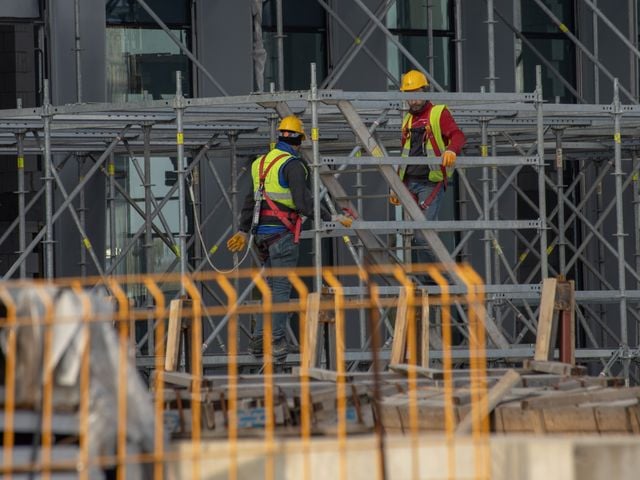
- Crews working on scaffolds or ladders
- Contractors excavating trenches
- Trucks delivering materials
- Workers using saws, drills, nail guns, and other power tools
- Employees working several stories above ground level
These activities can create overlapping hazards. A worker performing a task correctly may still face danger because of equipment, debris, materials, or another crew working nearby.
Falls Remain a Serious Construction Hazard
Working at height creates an obvious risk, but falls can occur in many different situations. Workers may fall from roofs, scaffolds, ladders, platforms, unfinished floors, or elevated equipment.
OSHA construction standards address fall protection requirements for various construction activities. You can review OSHA’s construction engineering and safety resources for information related to construction hazards and protective measures.
Fall prevention may involve guardrails, personal fall arrest systems, safety nets, properly constructed scaffolding, and appropriate ladder procedures. The correct protection depends on the work being performed and the conditions at the site.
Workers should also pay attention to smaller hazards. An uncovered floor opening, unstable ladder, damaged guardrail, or poorly secured platform can create a serious fall risk even when the working height does not appear extreme.
Heavy Equipment Creates Large Danger Zones
Construction projects frequently require excavators, bulldozers, cranes, loaders, forklifts, dump trucks, and other heavy machinery.
These machines can weigh thousands of pounds and often operate near workers on foot. Limited visibility makes the situation more dangerous. An equipment operator may have blind spots around the machine and may not see someone walking nearby.
If you work around heavy equipment, you should know the site’s designated pedestrian routes and restricted operating areas. High-visibility clothing, spotters, backup alarms, mirrors, cameras, and clear communication procedures can reduce risk.
Workers should never assume an operator can see them simply because they can see the machine.
Falling Objects Can Injure Workers Below
Construction often involves people working on different levels of the same structure. Tools, building materials, fasteners, debris, and equipment components can fall from elevated areas.
A small object can cause severe injury when it falls several stories.
Hard hats provide important protection, but they cannot prevent every injury. Contractors should also control falling-object hazards through measures such as toe boards, debris nets, barricades, secure material storage, and restricted access below overhead work.
Workers should avoid standing or walking beneath suspended loads. Materials being moved by a crane can shift unexpectedly, especially if rigging fails or the load becomes unstable.
Electrical Hazards May Change Throughout a Project
Electrical conditions evolve as construction progresses. A site may use temporary power systems, extension cords, portable generators, unfinished wiring, and electrical equipment exposed to weather or physical damage.
Damaged cords, missing ground protection, exposed conductors, and contact with overhead power lines can cause electrical injuries.
Before using electrical equipment, check cords, plugs, and visible connections for damage. Workers performing electrical tasks should follow appropriate lockout and safety procedures when required.
Water creates another concern. Rain, standing water, or wet surfaces can increase electrical risks when power tools and temporary electrical systems are nearby.
Trenches and Excavations Can Become Dangerous Quickly
Excavation work creates risks that may be difficult to judge visually. Soil can collapse suddenly and trap workers inside a trench.
Protective measures can include sloping, benching, shoring, or shielding systems, depending on the excavation and soil conditions. Safe access is also important. Workers need an appropriate way to enter and exit trenches rather than climbing unstable surfaces or equipment.
Excavations should also be evaluated after conditions change. Heavy rain, nearby equipment movement, vibration, or changes in soil conditions may affect stability.
Scaffolds Require Careful Setup and Inspection
Scaffolding allows workers to reach areas that would otherwise be difficult or impossible to access. Poor assembly or maintenance can create significant fall and collapse hazards.
Problems may include missing guardrails, unstable platforms, damaged components, improper access, or inadequate support.
Before using a scaffold, workers should look for obvious defects and follow site procedures for reporting problems. You should not modify scaffold components unless you are authorized and qualified to do so.
The same principle applies to ladders. A ladder should be appropriate for the task, positioned securely, and inspected for damage before use.
Construction Noise Can Interfere With Communication
Construction sites can be extremely loud. Jackhammers, saws, compressors, trucks, demolition equipment, and heavy machinery may operate simultaneously.
Noise can damage hearing over time, but it can also create an immediate safety problem. Workers may struggle to hear alarms, verbal warnings, equipment movement, or instructions from coworkers.
Sites can address this problem through hearing protection, visual warning systems, radios, hand signals, designated spotters, and clear communication procedures.
If you cannot hear normal warnings because of surrounding equipment, your crew should have another reliable communication method.
Fatigue Can Increase the Chance of Mistakes
Construction work can be physically demanding. Long shifts, heat, repetitive lifting, awkward working positions, and insufficient rest can affect concentration and reaction time.
A tired worker may misjudge a distance, forget a safety step, lose balance, or react too slowly when equipment moves unexpectedly.
Supervisors should consider workload, environmental conditions, shift length, and adequate breaks when planning work. Workers should report symptoms of heat stress, severe fatigue, dizziness, or other conditions that could make a task unsafe.
Multiple Contractors Can Complicate Responsibility
Large construction projects may involve a general contractor and numerous subcontractors. Electricians, plumbers, roofers, concrete crews, equipment operators, and other specialists may work in the same area.
This structure can complicate communication and safety coordination.
For example, one contractor may remove a barrier temporarily to complete a task. Another crew may enter the area without knowing the barrier was removed. Clear site rules, documented procedures, safety meetings, signage, and communication between supervisors can reduce these risks.
Responsibility can become especially important after a serious accident. Depending on the circumstances, questions may arise about who controlled the work area, who created the dangerous condition, who supplied equipment, and who had responsibility for correcting the hazard.
People researching a specific law firm after an accident can review the FindLaw attorney profile for additional professional information.
What You Should Do After a Construction Accident
Your immediate priority should be your health and safety. Seek emergency medical care when necessary and report the accident according to workplace procedures.
When possible, preserve information about what happened. Useful documentation may include photographs of the accident area, damaged equipment, protective equipment, warning signs, and visible injuries. Record the date, approximate time, location, weather conditions, and names of witnesses while the details remain fresh.
Keep copies of medical records, bills, accident reports, work restrictions, correspondence, and documents showing missed work. Avoid discarding damaged clothing or equipment if it could become relevant later.
You should also be careful about making assumptions regarding responsibility. Construction accidents can involve workers’ compensation rules, contractors, subcontractors, equipment manufacturers, property owners, and other parties. The applicable options depend on the facts and the law where the accident occurred.
For general background, you can read this guide on navigating an injury claim with a personal injury lawyer.
If an accident occurs in New York and you need legal advice about your specific circumstances, you may choose to speak with a New York construction accident attorney at Edelman Krasin Jaye about the incident, available records, and potential legal options.
Safer Construction Requires Daily Attention
Construction safety cannot depend on a single inspection at the beginning of a project. Work areas, crews, equipment, and hazards change as construction progresses.
Before beginning a task, look at the conditions around you. Check your equipment, identify nearby work, confirm that required protective systems are in place, and understand how you should communicate with other workers.
If conditions change during the day, reassess the task before continuing. A few minutes spent identifying a new hazard can prevent an accident that causes months or years of consequences.
Construction will always involve physical risks, but careful planning, proper equipment, training, communication, and consistent safety procedures can reduce unnecessary injuries.