Starting Your Own Local Audio Storytelling Project Today
The art of audio storytelling offers a unique opportunity to connect with your community, share local history, and highlight the voices that make our region vibrant. Whether you are interested in chronicling personal experiences, exploring niche community interests, or documenting local events, the process of recording and sharing stories can be both deeply fulfilling and professionally rewarding. By creating a project focused on authentic narratives, you contribute to a richer understanding of the area we all share. This effort requires patience, attention to detail, and a commitment to quality that transcends a simple hobby.
Defining Your Audio Narrative Focus
Before you begin gathering equipment or setting up a workspace, it is essential to define the core purpose of your audio project. Many new creators fall into the trap of trying to cover too many topics at once, which can lead to a lack of focus and difficulty in building a loyal audience. Instead, start by identifying a clear theme. This could be anything from interviewing local artisans about their creative processes to documenting the history of landmarks within your town. Once you have a theme, refine it further. Consider what specific aspect of that theme you are best equipped to explore. Your unique perspective is your greatest asset.
Understanding your audience is just as important as selecting your topic. Think about who would be most interested in hearing these stories and what kind of format would best serve them. Will you focus on long-form interviews, brief narrative vignettes, or perhaps a mix of both? Planning your narrative arc early on helps keep your content structured, which ultimately makes it more engaging. Consistency in your approach helps listeners know what to expect and keeps them returning for new episodes. Focus on creating value for your listeners, ensuring that each story provides insight, entertainment, or a new perspective on the local scene.
Selecting Essential Recording Gear
The quality of your audio is a critical factor in how listeners receive your stories. Poor audio can be distracting, making it difficult for an audience to focus on the narrative, regardless of how interesting the content might be. Investing in quality equipment from the start saves time and effort during the editing process. When looking for reliable equipment, it is helpful to consult resources that specialize in audio hardware to ensure you are getting gear built to last. You might find guidance from Microphone Authority, which highlights options suitable for enthusiasts dedicated to achieving clear, professional sound.
Beyond the microphone, consider the accessories that make a recording session successful. Pop filters, for instance, are essential for reducing harsh sounds, while sturdy stands ensure your microphone remains in the optimal position. If you plan to conduct interviews on location, you will also need portable recording devices that offer reliable performance in varying environments. Think about your long-term needs rather than just the immediate task at hand. Selecting gear that can grow with your project ensures that you do not need to replace your entire setup as your ambitions evolve.
Mastering Basic Audio Technology
Technical knowledge is just as vital as having good equipment. Understanding how sound is captured, processed, and edited transforms the way you approach each project. You do not need to be a sound engineer to achieve professional results, but you should have a solid grasp of how technology enables your storytelling. It is helpful to explore resources that demystify these concepts, making the technical side of your project feel less daunting. Websites like technolik.com offer perspectives that can help you get a better handle on the facets of technology involved in modern content creation.
Familiarize yourself with the basics of gain staging, which ensures your audio levels are consistent and not overly loud or soft. Learn how to minimize background noise during the recording phase, as trying to remove it later during editing is often difficult and time-consuming. Understanding the signal path—from the microphone to your computer or recording device—helps you troubleshoot issues quickly when they arise. When you feel comfortable with the technical side of your work, you can focus more energy on the creative aspect of interviewing and narrative construction, which is where your project truly comes to life.
Creating a Dedicated Recording Space
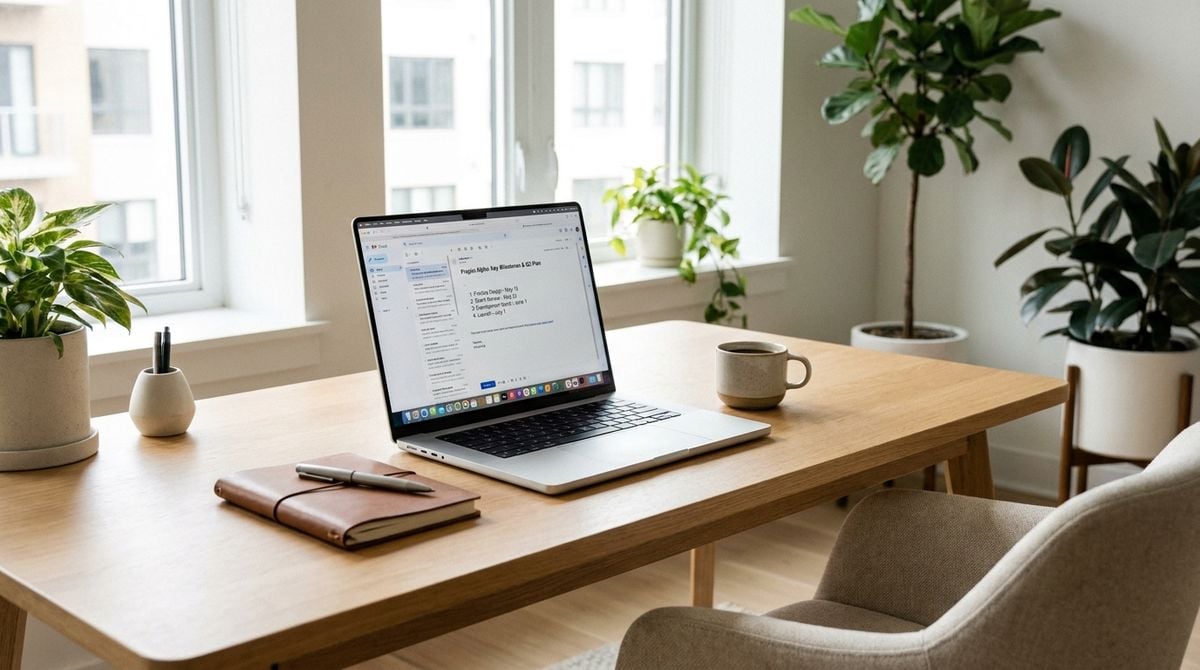
The environment in which you record significantly impacts the final quality of your audio. An ideal space is one that minimizes unwanted echoes and outside noise. While you may not have access to a professional studio, you can still create an effective environment at home with some careful thought. Consider the acoustics of your chosen room. Soft surfaces like carpets, curtains, and upholstered furniture help absorb sound and reduce reflections, which leads to a cleaner, more intimate recording. You can find helpful tips for organizing your home studio space that can be easily adapted to create a functional and focused recording environment.
Once you have a space that is acoustically sound, ensure it is also comfortable. You will be spending a significant amount of time here, so having proper lighting, comfortable seating, and an organized layout is beneficial. If you are recording interviews, having a space that feels welcoming helps your subjects relax, which leads to more genuine and engaging conversations. Keep your equipment setup simple and accessible so that you can begin recording without needing to rearrange your entire room each time. A dedicated space, no matter how small, signals to yourself and others that your project is a serious endeavor.
Organizing Your Production Workflow
Efficiency in your production workflow is key to sustaining a long-term audio storytelling project. Without a structured process, tasks like editing and organizing files can quickly become overwhelming. Establish a routine that covers the entire lifecycle of an episode, from initial planning to final release. This structure helps you maintain consistency and prevents you from feeling burned out by the demands of the project. A well-organized workflow allows you to focus on the creative elements of storytelling rather than getting bogged down in repetitive technical tasks.
Recommended Workflow Steps
- Develop a brief outline or script for every episode to ensure focus.
- Prepare all equipment and check battery levels before beginning any recording session.
- Create a consistent file-naming system for all your audio recordings.
- Conduct the recording session and review the audio immediately afterward.
- Set aside a dedicated time for editing, focusing on removing unnecessary filler and enhancing clarity.
As you refine your process, you will likely discover techniques that work specifically for your style of storytelling. Do not hesitate to adjust your workflow if you find that certain tasks are taking too much time or if your needs change. The goal is to create a rhythm that feels natural and sustainable. By maintaining this structure, you ensure that your audio storytelling project remains an enjoyable pursuit, allowing you to share meaningful narratives with your community for as long as you feel inspired to do so.