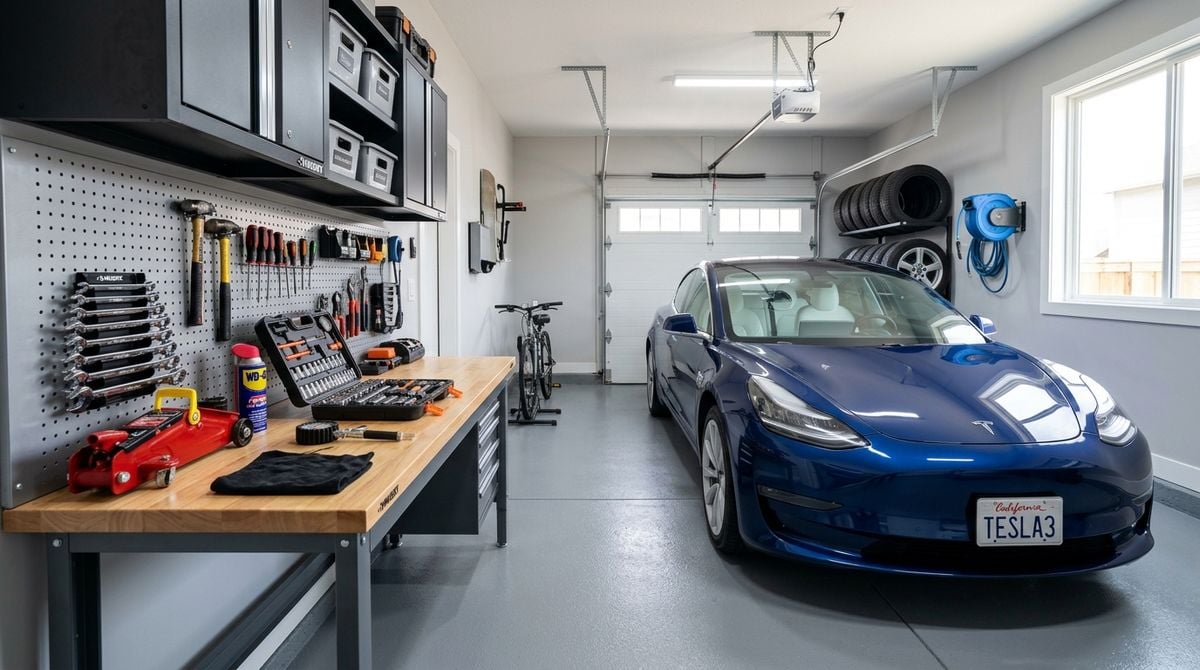
Building a Practical Workshop and Storage in Your Garage
A suburban garage frequently bears the brunt of busy family life, serving multiple roles throughout the year. Between housing family vehicles, storing seasonal lawn equipment, and acting as a temporary holding area for general household overflow, the space can quickly become disorganized and difficult to navigate. With thoughtful planning, this everyday utility zone can evolve into a structured workshop and reliable storage hub that serves household repair needs while keeping clutter away from the primary living quarters.
Creating an efficient workshop does not require vast square footage or elaborate custom installations. Instead, the focus rests on sensible zoning, reliable shelving, and dedicated workstations that accommodate routine repairs, creative home projects, and seasonal transitions. When each tool has an assigned location and work surfaces remain clear, suburban homeowners can tackle routine home maintenance tasks with greater confidence and efficiency.
Evaluating Layout and Clearing the Clutter
Before mounting wall brackets or assembling heavy workbenches, clear the floor footprint to assess the structural realities of the room. Take note of vehicle clearance paths, overhead door mechanisms, access points to electrical panels, and walkway routes leading into the house. Establishing dedicated traffic lanes ensures that daily parking routines never interfere with ongoing projects or access to essential storage cabinets.
Garages often become the unintentional overflow zone when indoor closets and mudrooms reach capacity during busy weeks. Taking control of garage organization provides vital breathing room for the interior of the house, working hand in hand with strategies for managing high-traffic living areas where daily family routines can easily create clutter. Moving bulky seasonal bins and utility gear into dedicated garage storage instantly frees up hallway closets and family rooms for relaxed daily living.
Group household items into practical categories during the initial sorting process so that you understand your actual storage requirements. Hardware, gardening tools, sports gear, and holiday decorations should each be assigned to specific zones. Discard broken items and donate outgrown sports equipment to keep storage demands realistic before building out permanent shelving units or installing wall hooks.
Selecting Essential Tools and Safe Assembly Techniques
A functional workshop depends on a solid foundation of reliable hand tools and power equipment tailored to household projects. Rather than purchasing complex machinery that consumes valuable floor space, focus on versatile core tools that handle common framing, fastening, and repair jobs. A dependable driver and drill setup, a sturdy hand saw, precision levels, and durable measuring tapes form the core of an adaptable workbench.
When assembling wall-mounted storage and building sturdy workbenches, having the proper fastening equipment is essential for safety and structural stability. Securing framing lumber directly into wall studs requires sufficient driving torque and consistent battery power. Readers looking for guidance on selecting the right driver or drill for household builds can consult cordlessdrillhub.com before starting their weekend carpentry projects.
Safety should remain the paramount concern during any workshop assembly. Fasteners must sink deep into structural wall framing rather than depending on lightweight drywall anchors that can pull loose under heavy loads. Always wear eye and ear protection when cutting materials or running high-torque drivers, and keep a clean workspace free of trailing extension cords and tripping hazards during installation.
Planning Durable Shelving and Wall Storage
Vertical space provides the greatest storage opportunity in any suburban garage setting. By lifting storage off the concrete floor, you protect seasonal goods from dampness, simplify sweeping routines, and maintain open floor pathways for vehicles and larger lawn equipment. Wall-mounted track systems, slotted panels, and sturdy timber shelves allow you to customize arrangements as household storage needs shift over time.
Organizing items according to frequency of use ensures that the garage remains tidy and functional throughout every season. Designate storage areas systematically across your available vertical wall space:
- High overhead shelves for long-term holiday decorations, camping supplies, and seasonal containers.
- Eye-level wall racks for frequently used lawn equipment, extension cords, garden hoses, and hand tools.
- Sturdy mid-level cabinets for household paints, finishes, adhesives, and automotive cleaning supplies.
- Accessible low bins for children’s outdoor sports gear, bicycle accessories, and everyday gardening supplies.
Uniform storage containers provide both visual neatness and superior stacking strength compared to mismatched cardboard boxes that deteriorate in variable temperatures. Clear plastic bins let family members quickly identify contents without unstacking entire towers of storage, while bold adhesive labels prevent misplaced supplies from cluttering up open workbench surfaces.
Blending Utility with Home Care and Presentation
A garage workshop is often a primary entry point seen when returning home, making its visual presentation just as important as its practical utility. Integrating clean paint finishes, consistent cabinetry colors, and durable floor coatings transforms an otherwise industrial space into a welcoming, organized extension of the residence.
Utilitarian areas should complement the rest of the household rather than feel like neglected industrial corners. Homeowners who want to keep every corner of their property visually cohesive and well cared for can explore maintenance and decor tips at casaindecor.com to balance rugged functionality with polished home presentation. Applying cohesive design principles to utility spaces elevates the overall enjoyment and long-term care of the property.
Adequate lighting plays a dual role in safety and appearance throughout the workshop. Standard overhead garage bulbs rarely provide sufficient illumination for intricate repair work or clear visibility along deep storage shelves. Installing overhead light fixtures with broad light diffusion eliminates harsh shadows, making both routine cleaning and delicate assembly projects safer and more comfortable.
Establishing Long-Term Maintenance and Safety Habits
A well-designed garage workshop remains practical only if regular maintenance routines keep clutter from creeping back across work surfaces. Establishing a quick reset routine at the end of each weekend project prevents tools and hardware from accumulating in disorganized piles. Vacuuming sawdust, wiping down metal surfaces, and returning drill bits to their cases preserves tool longevity and keeps workspaces ready for the next task.
Safe storage of potentially hazardous substances requires ongoing attention and careful containment. Flammable liquids, solvent rags, and garden treatments should be stored in ventilated, dedicated metal or heavy plastic cabinets positioned away from heat sources. Ensure that a fire extinguisher is mounted near the exit door and that ventilation pathways remain unobstructed when using adhesives or finishes.
Transforming a garage into a balanced workshop and storage hub adds immense practical value to daily suburban living. By taking a methodical approach to floor layout, investing in reliable assembly equipment, and maintaining high standards for organization, homeowners can create a productive haven that serves family needs through every season.