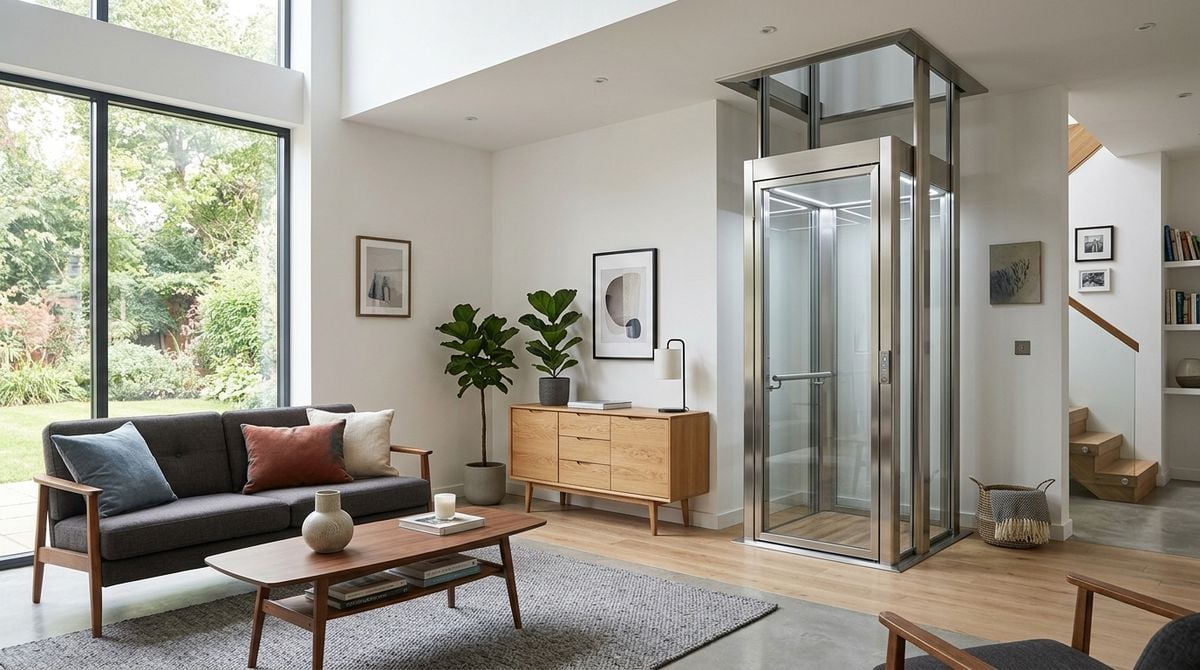
Managing High-Traffic Living Areas in a Busy Suburban Home
In many suburban homes, the main living room serves as the true heart of household activity. It is where children gather for afternoon homework, friends visit on weekends, pets curl up near sunny windows, and families unwind after long commutes. Because this central room hosts so many daily routines, it naturally absorbs an enormous amount of foot traffic, clutter, and surface wear.
Maintaining a space that feels calm and elegant while enduring non-stop activity can often seem like an impossible balancing act. When decor is too delicate, parents and hosts spend their evenings worrying about spills and scratched surfaces. Conversely, leaning entirely toward utilitarian durability can strip away the warmth and character that makes a house feel like a home.
Achieving harmony between resilience and visual charm requires thoughtful planning rather than constant compromise. By rethinking layout strategies, investing in sensible materials, and establishing simple maintenance systems, you can build a welcoming living area that thrives under the pressure of active suburban life.
Establishing Clear Traffic Patterns and Functional Zones
A successful living room design starts with how people move through the space. In open and semi-open suburban layouts, the living room often doubles as a major hallway between the kitchen, patio, and upstairs bedrooms. When furniture blocks these natural walkways, the entire room feels chaotic, and floor coverings wear down unevenly.
Begin by mapping out wide, unobstructed pathways that guide movement around conversation areas rather than cutting directly through them. Positioning sofas and armchairs slightly away from walls can define a cozy seating island while leaving generous aisles for people passing through with groceries, school bags, or laundry baskets. Grounding this seating area with an appropriately sized rug helps define the boundary between relaxation zones and busy transition routes.
Managing the flow of outside debris is another essential component of planning room movement. When living rooms open directly onto back decks or side yards, establishing clear boundaries near doorways prevents dirt and moisture from migrating across the room. Pairing these room layouts with thoughtful household transition spots, such as creating an organized suburban entryway, helps catch loose soil, athletic shoes, and damp coats before they ever reach your primary seating areas.
Selecting Durable Materials Without Sacrificing Visual Warmth
Choosing furnishings for a bustling household does not mean surrendering to sterile designs or uncomfortable finishes. Today, modern fabric weaving techniques and protective finishes allow homeowners to achieve an elevated look that stands up remarkably well to everyday spills, pet paws, and afternoon sunlight.
Tightly woven textiles like performance velvets, textured blends, and treated linens provide both soft tactile appeal and reliable stain resistance. For wood surfaces such as coffee tables and side consoles, look for dense hardwoods treated with satin polyurethane or matte sealers. These protective coatings guard against moisture rings and subtle dings while allowing the organic beauty of the grain to show through.
To keep the space from feeling utilitarian, prioritize layered textures and intentional silhouettes. Studying the work of dedicated interior specialists, such as the creative design concepts highlighted by Design Shanghai, can offer great inspiration for crafting bespoke living environments that reflect personal character and cultural depth. Combining varied surface materials like ceramic accessories, woven wool throws, and sculpted lighting fixtures creates visual richness that distracts the eye from minor daily imperfections.
Streamlining Storage for Daily Clutter Control
Even the most beautifully decorated living space will quickly lose its appeal when overwhelmed by loose charging cables, board games, stray magazines, and children’s toys. The secret to maintaining visual peace in a shared living zone is integrating discrete storage solutions that make tidying up virtually effortless for every member of the family.
Furniture that serves dual purposes is particularly helpful in high-traffic settings where floor space must remain open. Choosing pieces with built-in compartments allows you to stash items away in moments before guests arrive. Consider incorporating several of these functional additions into your layout:
- Upholstered storage ottomans that serve as footrests, spare seating, and blanket bins
- Deep credenzas with adjustable shelving to conceal media equipment and board games
- Woven floor baskets placed beside armchairs for quick gathering of books and toys
- Coffee tables featuring shallow drawers for remotes, coasters, and charging cords
Assigning a permanent home to everyday items ensures that tidying up becomes a brief evening habit rather than a daunting weekend chore. When storage options are accessible at room level, even young children can participate in returning items to their proper places before bedtime.
Developing an Effortless Floor Care and Cleaning Routine
Floors in active living rooms endure constant friction from foot traffic, pet paws, and dragged furniture. Keeping hardwood, laminate, or tile looking fresh requires a proactive care schedule focused on prompt grit removal rather than heavy scrubbing.
Dust, outdoor grit, and loose sand act like sandpaper against floor finishes when walked upon repeatedly. Placing low-profile natural fiber runners along high-movement zones catches much of this abrasive matter before it spreads across main floor surfaces. Underneath area rugs, always install dense, non-slip pads to prevent friction damage to the wood beneath while providing comfortable acoustic buffering.
Selecting the right equipment makes a substantial difference in how quickly and thoroughly you can refresh your living room floors. Before investing in a machine, reviewing independent buying resources like Bestvacuumcleaners.org can help you evaluate models equipped with specialized brush rolls and filtration systems designed for delicate hard floors and deep carpet fibers alike. A lightweight, easily maneuverable tool encourages quick daily spot cleans that keep dust and pet dander from settling permanently into fibers.
Balancing Daily Practicality with Welcoming Comfort
Creating a resilient living room is ultimately about supporting the rhythms of your household without imposing rigid rules that make guests or family members feel unwelcome. Practical design should liberate you from anxiety about accidental spills or scuffed baseboards, allowing the room to fulfill its primary role as a comfortable haven.
Incorporate warm ambient lighting through table lamps and dimmable sconces to soften the room during evening hours, turning a daytime activity hub into a relaxing sanctuary. By combining smart spatial planning, resilient materials, hidden storage, and routine maintenance habits, you can enjoy a polished living area that easily withstands the demands of busy suburban life while remaining a joyful gathering place for years to come.